Belgium Trains: Tickets, Stations and the Rules That Catch First-Time Visitors
Belgium trains are frequent but the ticket rules, station layouts and payment quirks trip up even seasoned travellers. What to know before you tap or buy.
Belgium Trains: Tickets, Stations and the Rules That Catch First-Time Visitors
You step off the Eurostar at Brussels-Midi, follow the crowd toward the platform screens, and realise you have no idea which ticket to buy. The machine offers seven choices in three languages. The train to Ghent leaves in nine minutes. This is the moment the SNCB/NMBS trip-up catches you. Belgium trains are fast, frequent, and the most sensible way to move between cities, but the ticket system punishes haste. Understand the rules before you arrive and you skip the fine, the surcharge, and the 20-minute queue at the help desk.
SNCB Ticket Types: Which One You Actually Need
The operator is SNCB (Société Nationale des Chemins de fer Belges) or NMBS (Nationale Maatschappij der Belgische Spoorwegen). Same organisation, two names for the two language communities. The official booking source is sncb.be or the SNCB/NMBS app. Every ticket sold at the machine or in the app is date-specific except the multi-trip products. The choice between them depends entirely on when you travel and how old you are.
Standard Ticket vs Weekend Return
A Standard Ticket is a single or return on a fixed route for a specific date. The return must be on the same route with no break of trip permitted. A Weekend Return costs roughly half the standard weekday round-trip and is valid when both outbound and return legs fall on a Saturday, Sunday, or Belgian public holiday. You can also start a Weekend Return after 19:00 on Friday. The SNCB trip planner on sncb.be will show you which days qualify and let you buy the correct product before you board.
Youth, Senior and Key Card
The Youth Ticket is a flat-rate single for passengers aged 18-25 inclusive. The published rate was approximately 40 percent of the Standard full-flex single. The Senior Ticket is a flat-rate return for passengers aged 65 or older, the published rate roughly 50 percent of a Standard full-flex return. Both require proof of age at purchase or on inspection. The Key Card gives under-26 passengers ten single trips on any domestic route, date-independent, with one year validity from purchase. Each trip must be activated via the SNCB/NMBS app before boarding. An unactivated trip counts as no ticket. The fine for travelling without a valid ticket in 2025 was €107 plus the fare if paid within 14 days, rising to €225 after that. The SNCB website publishes the current fine and fare schedules.
Multi Tickets: Local and Standard
A Local Multi gives you ten single trips on one printed route, date-independent, with one year validity. No activation is required. A Standard Multi gives ten single trips on any domestic route, also with one year validity from purchase, but each trip must be activated via the app or at a ticket machine before you board. These are the right choice if you plan three or more separate trips in a week and do not want to queue at a machine each morning.

How to Use Belgian Trains: from Purchase to Platform
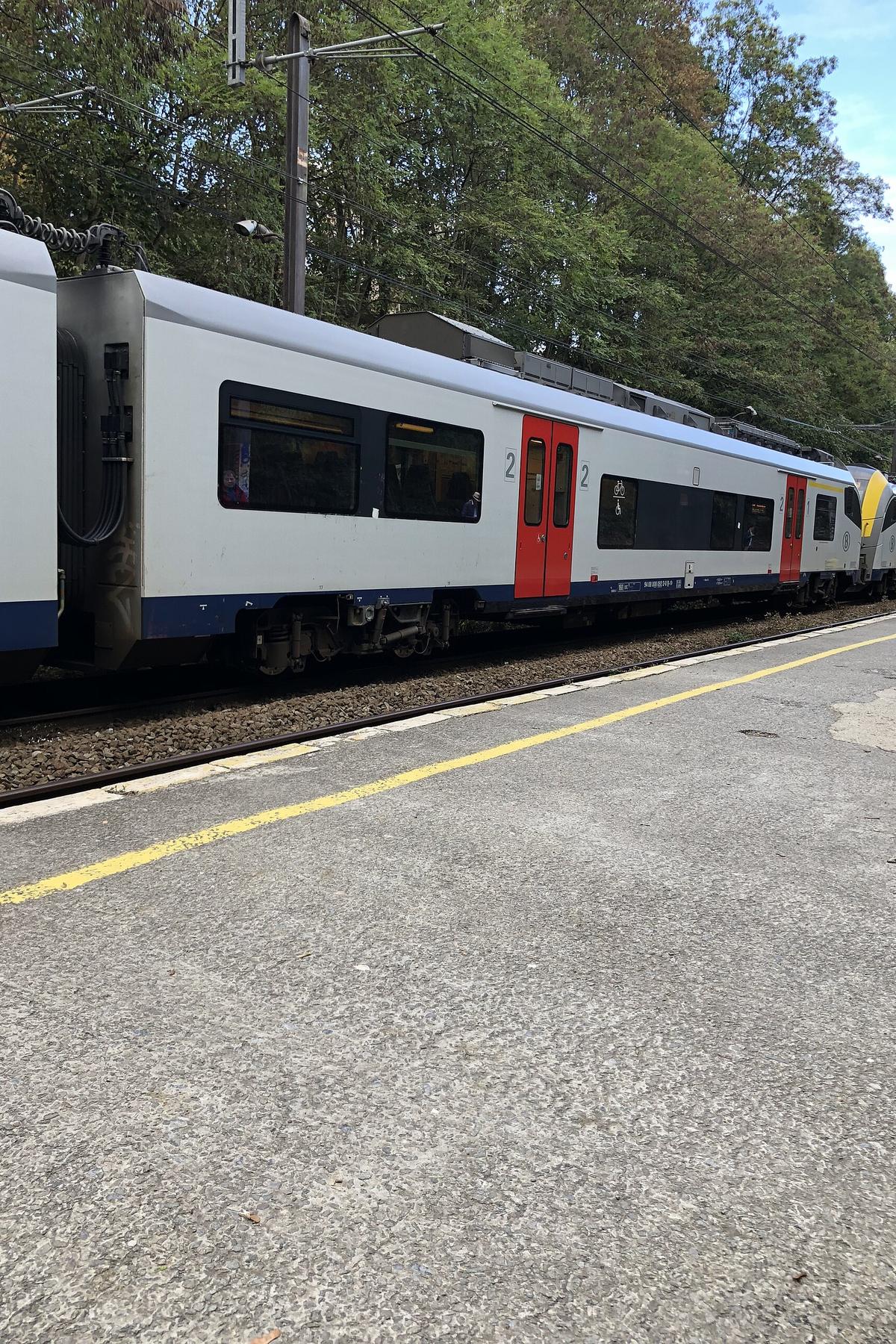
Buy your ticket before you board. You cannot use a contactless bank card at the station gates. QR-code scan only. Paper tickets exist but carry a surcharge of a couple of euros, and the machines that dispense them accept coins but not notes. The SNCB/NMBS app stores your ticket as a QR-code and accepts Visa, Mastercard, Maestro, Bancontact and PayPal.
Activating a Multi Ticket
If you bought a Standard Multi or a Key Card, each trip must be activated. Open the app and scan the QR code printed on the platform poster near the entrance, or manually select your trip from the list. At the ticket machine, insert the card and select the trip. Skip this step and the onboard inspector treats the card as no ticket.
Engineering Works And Timetable Changes
The annual timetable change happens on the second Sunday of December. Mid-year adjustments are possible. Engineering works are published as downloadable PDFs per line at sncb.be/en/timetable/engineering-works, confirmed four to six weeks ahead and refreshed every Friday for the following two to four weeks. Check this before you book accommodation in an outer suburb. A line closure on a Sunday morning can turn a 30-minute trip into a bus-replacement crawl of 90 minutes.
Carrying a Bicycle
Non-folding bikes need a Bicycle Supplement, a flat-rate single trip ticket available via the app, machine or ticket office. The 2025 supplement sat in a band roughly 10-15 percent of an average Standard single. Bikes are banned on peak-hour trains Monday to Friday 06:30-09:00 and 16:00-19:00. Folding bikes folded are carried free.
Belgian Rail Stations Guide: the Three You Will Use Most
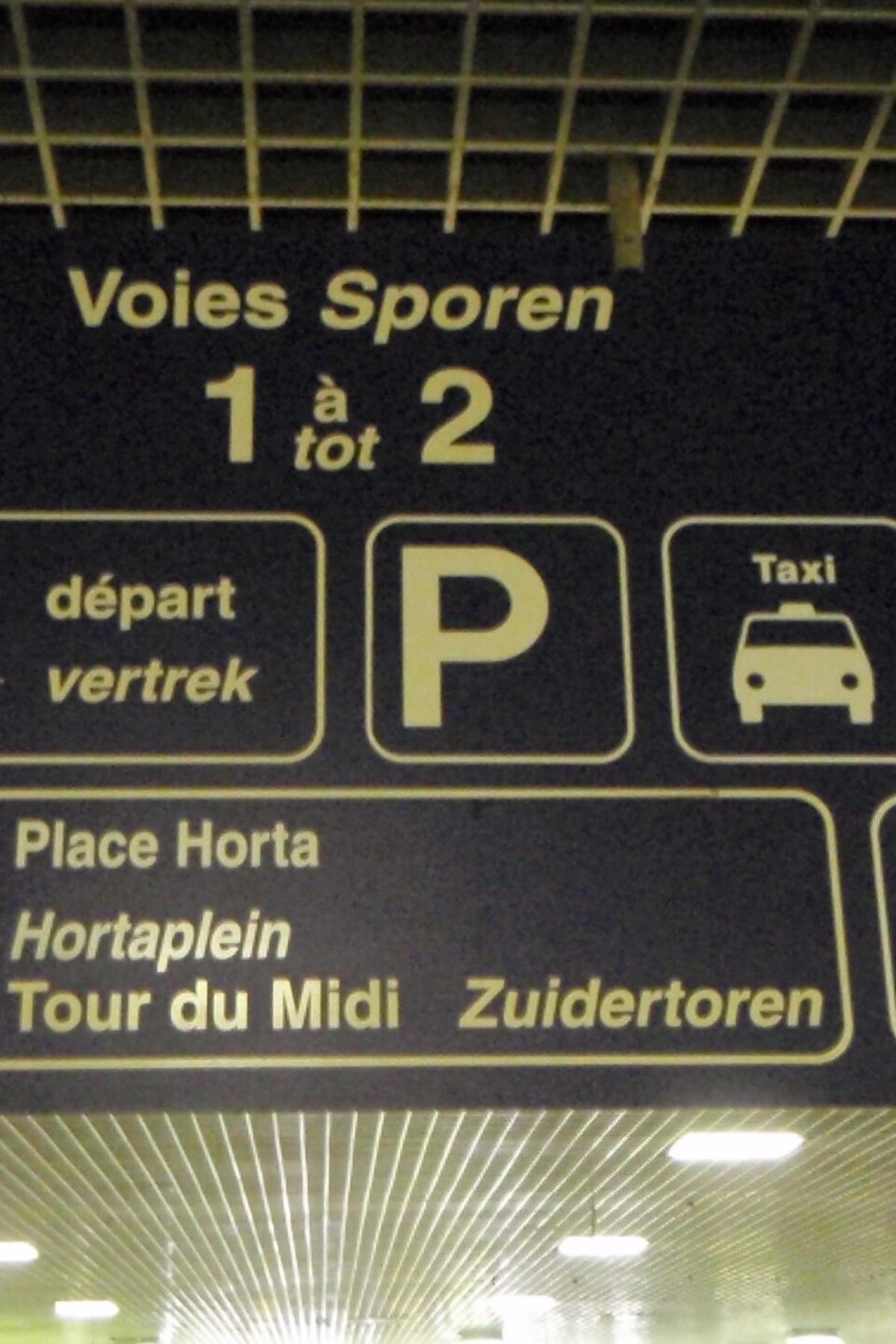
Brussels has three main stations. Brussels Central sits closest to Grand Place and the main hotels. Brussels-Midi is the Eurostar terminal, a good transport hub and a dull 20-minute walk from the centre. Brussels-Nord is an office district with limited tourist value. If you type 'Brussels' into a trip planner without specifying the stop, you risk arriving at Midi with a suitcase and no direct connection to your hotel. Select Central. The run from Brussels Airport to Central takes 17 minutes. SNCB sets the fare; check sncb.be for the current price before you travel.
Antwerp Central, Ghent Sint-Pieters, Bruges Station
Antwerp Central is the landmark station worth arriving early to see: four levels, a glass dome, and trains that depart from platforms at the same level as the city street. Ghent Sint-Pieters is a modern station about 15 minutes by tram from the medieval centre. Bruges station sits a 10-minute walk south of the historic core. At all three, ticket gates operate during opening hours. At unstaffed times the gates may be left open, but you still need a valid ticket. The platform announcements are in Dutch and French, with English on the digital screens.
MOBIB Card Tourist: What it is and Whether You Need One
The MOBIB card is a reusable smart card for SNCB/NMBS and De Lijn bus/tram networks. Residents load multi-trip products onto it. Visitors can buy one at a ticket office for the cost of the card plus a deposit, then load a Standard Multi or a Local Multi. The benefit is speed: you tap the card at a validator or at the gate rather than scanning a phone screen. The catch is the deposit and the fact that most tourists stay three days and take three trains, at which point the Standard Multi bought on the app costs the same and requires no card purchase. If you plan five or more rail trips plus tram use in a single city, the MOBIB card becomes worthwhile. If you are doing one day trip from Brussels to Bruges and back, skip it. Use the app.

The One Rule That Catches Visitors Every Time
You buy a Standard Multi, board a morning train to Bruges without activating it, and the inspector arrives at platform 3. The fine is €107 plus the fare. The activation step is easy to miss because the app asks you to scan a poster QR or select a trip from a dropdown, and in a crowded station with a suitcase you skip it. Do not skip it. Stand still for thirty seconds, activate the card, then board. That single habit saves the cost of a hotel night.
Common Questions
Can I use a contactless bank card at the station gate?
No. The gates scan QR-codes only. You need a ticket from the machine, the app, or a ticket office.
What happens if my train is delayed by more than an hour?
SNCB/NMBS pays flat-rate compensation for delays of 60 minutes or more on domestic trips. The 2025 compensation for a Standard single or return sat in a band from roughly €5 to €7.50 depending on trip length. Submit the claim via the SNCB website within 60 days of the delay.
Can I buy a Weekend Ticket on a Friday morning?
No. Weekend Tickets are available from 19:00 Friday until the end of Sunday or a public holiday.
Do I need to validate a Local Multi ticket?
No. The route is printed on the card. Board the train and show it if asked. Do not forget to bring it. A Standard Multi or a Key Card must be activated before each trip.
Are first class tickets worth it for a short trip?
First class costs roughly 50-60 percent more than second class. The main difference is wider seats and fewer passengers. On a 30-minute run from Brussels to Ghent, the upgrade is marginal. On a 90-minute run to Dinant, quiet is valuable.
Can I break my trip on a Weekend Return?
Yes. Break of trip is permitted on both the outbound and return legs of a Weekend Return. On a Standard Ticket it is not permitted. On a Senior Ticket break of trip is allowed on the return leg only.
What is the fine for travelling without a valid ticket?
In 2025 the fine was €107 plus the fare if paid within 14 days, rising to €225 plus the fare after that. The SNCB website publishes the current scale.