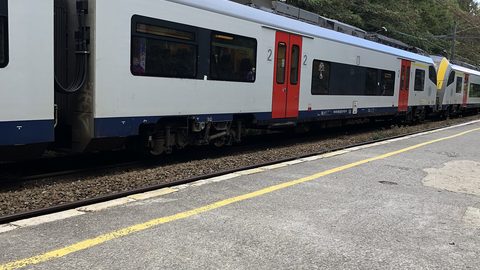
Seeing Belgium by Rail: Why Ticket Rules Matter More Than Distance on This Compact Network
Belgium's rail network is compact but its ticket rules catch visitors out. Here's how SNCB fares, station choices and weekend deals actually work.
- Flag
-

- ISO code
- BE
- Population
- 11,422,068
- Currency
- EUR
- Dial code
- +32
Seeing Belgium by Rail: Why Ticket Rules Matter More Than Distance on This Compact Network
Belgium is small. Trains run every direction, every half hour on most lines, and you can cross the country in under three hours. The problem for visitors is not distance. It is the ticket you hold in your hand. Buy the wrong product and you pay double for a journey that takes 45 minutes. Get the SNCB/NMBS fare system right and you access some of the cheapest intercity travel in Western Europe. Belgium by rail rewards preparation, not spontaneity, and that preparation starts with knowing that a weekend return costs roughly half the standard weekday round trip.
SNCB rail network overview
SNCB rail network overview is covered here as a concrete planning decision, with the relevant trade-offs made explicit.
- National Operator: SNCB/NMBS
- Official Booking Source: belgiantrain.be / sncb.be
- Network Structure: Brussels-centred through-network with three main north, south junctions (Brussels North, Central, Midi)
- Clock face Timetable: Yes, standard interval timetable on most lines, with peak-hour supplements on key corridors
- Compulsory Reservations: None for domestic SNCB/NMBS services
- International Reservations: Compulsory for Eurostar, ICE, and TGV; optional for InterCity Brussels, Luxembourg
- Brussels Rail Base: Brussels-Midi/Brussel-Zuid (station code: BEFBMZ)
- Ghent Rail Base: Gent-Sint-Pieters (station code: BEGSP)
- Bruges Rail Base: Brugge (station code: BEBRG)
- Antwerp Rail Base: Antwerpen-Centraal (station code: BEANCC)
- Fare Structure: Distance-based with fixed price per kilometre, plus flat-rate supplements for certain products
- Timetable Change Date: Second Sunday of December each year (next: 13 December 2026)
- Real time Disruption Source: SNCB/NMBS app and sncb.be, with push notifications enabled by route
Belgium Train Travel Guide: How the Network Actually Works
The SNCB rail network is simple to draw and harder to navigate on the ground. Six major stations form the backbone: Brussels Central, Brussels Midi, Brussels North, Antwerp Central, Ghent Sint-Pieters, and Bruges station. Every intercity train in Belgium runs through one of the three Brussels stations. That is where you change, where you wait, and where you can lose 20 minutes walking from a platform at North to one at Midi if you misread your connection.
Brussels Central is the correct station for the city centre. It sits between the Grand Place and the Sablon district. Brussels Midi serves as the Eurostar hub, but the walk to the historic core takes 20 minutes down a dull boulevard. Do not book a hotel near Midi unless you have a train to catch. Do not assume a train arriving in the capital will stop at Central. Look for the three character station code on the SNCB app before you board: BEFBMZ is Midi, BEFBEC is Central, BEFBNO is North. Those three letters save you from dragging a suitcase through the pedestrian tunnel between Midi and Central.
Language and Signage
Linguistic signage on the network flips between Dutch and French at the regional border. A train from Brussels to Antwerp announces station names bilingually in the capital, then switches to Dutch only once past the Brussels-Capital Region. The reverse happens heading to Liège or Dinant. The SNCB app and the on-board screens show the name in the language of the region, so know both: Luik is Liège, Rijsel is Lille, Bergen is Mons. If you miss your stop because the sign changed language, you are not the first.
Payment and the Paper Ticket Surcharge
Buy a ticket at the counter or a vending machine and the SNCB adds a surcharge of roughly €1 to €2 for the privilege of using paper. The cheaper way is a contactless payment tap at the gates, but that only works if you have a bank card with contactless enabled and a MOBIB card linked to it. The MOBIB card costs a few euros and holds your ticket products digitally. Without it, you are stuck buying the surcharge tickets or queuing for the only working machine on the platform. Get the card at any major station ticket office on arrival. It is valid for life and works on buses and trams in the capital too.
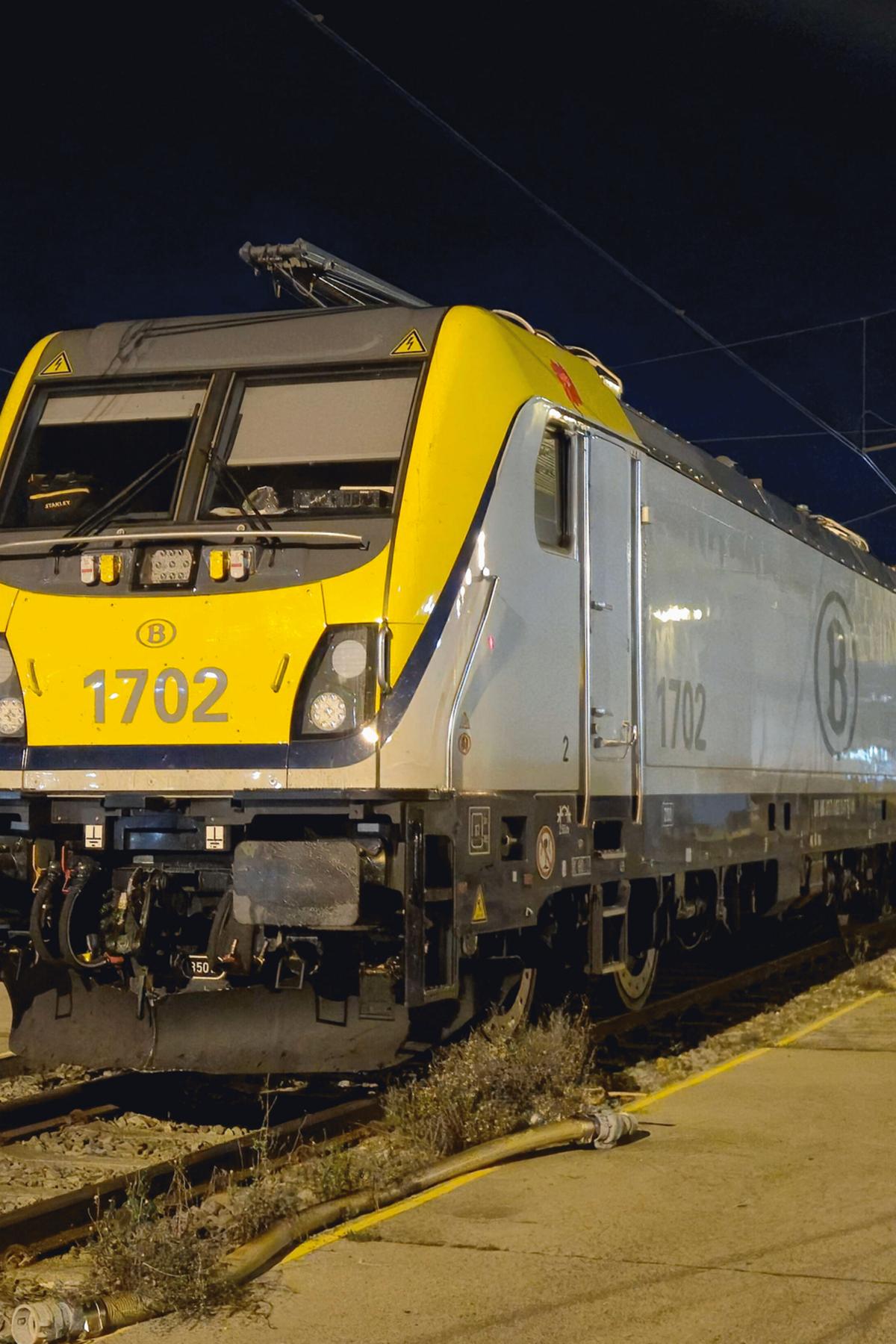
SNCB Rail Pass Options: What to Buy and When
The SNCB does not sell a flat rate unlimited Belgium pass like a Japan Rail Pass. Instead it offers a menu of fixed price products that each suit a specific traveller profile. Pick the wrong one and you overpay. Pick the right one and a journey from Brussels to Antwerp costs you a fraction of the full walk-up single.
Go Pass 1 (under 26) is the best value on the network. A fixed price per single journey in 2nd class for any domestic route, at any time of day, with no minimum distance. The price is published by SNCB and revised each February. You buy one journey at a time through the app. If you are under 26, do not buy anything else.
Standard Multi 10 is the adult equivalent. A pack of 10 single journeys in 2nd class, working out to a per-ride price that beats the standard single for any trip longer than about 40km, which covers Brussels to Ghent and Brussels to Bruges. The saving accumulates fast over a three day trip.
Weekend Return Ticket is the cheat code for Friday evening through Sunday. Valid from 19:00 on Friday until the last service on Sunday, a weekend return costs 50% of two standard singles. If you are visiting Brussels from Ghent for a Saturday, buy this. If you arrive on a Saturday, buy this. It is a paper product that competes with the Standard Multi, so run the numbers on the SNCB journey planner before you buy.
Senior Ticket (65+) is a fixed price per single journey in 2nd class for any domestic route. Same as the youth product but for older travellers. No minimum distance, no peak time restriction. Check the current SNCB rate before travel.
Local Multi Ticket is for short hops: a low per-journey price in packs of 10. Useful for the tram ride from Brussels Central to the European Quarter, or from Antwerp Central to the Zurenborg district, but not for the intercity trips that define a Belgium rail itinerary.
Brussels Airport Supplement (Diabolo fee) is a flat surcharge added to any ticket to or from Brussels Airport-Zaventem. This is not avoidable. Factor it into the cost of arrival. If you are on a Go Pass or Standard Multi, the supplement is added on top. SNCB sets the rate; confirm the current figure on belgiantrain.be.
Intercity Trains Belgium: Frequency, Composition, and What Can Go Wrong
Intercity trains in Belgium run on a clock-face timetable. A train every half hour on the main corridors: Brussels to Antwerp, Brussels to Ghent, Brussels to Bruges, Antwerp to Ghent. On busier lines like Brussels to Antwerp or Brussels to Liège, the frequency drops to every quarter hour during weekday peaks. The last train on most intercity routes departs around midnight. After that, you are on a bus or a late night taxi, and the taxi from Bruges to Brussels costs a small fortune.
The SNCB publishes train composition information on sncb.be for each service, showing which carriages are first class and which have bicycle spaces. Bicycles travel free on all domestic trains in designated spaces with no reservation required, but spaces are limited and not guaranteed. If you are travelling with a bike, arrive at the platform early and look for the bicycle logo on the carriage door. On the Antwerp to Ghent intercity, the bike space is in the front carriage. On the Brussels to Bruges line, it is in the middle. Check the train composition page before you board.
Engineering Works and Disruption
Engineering works concentrate in summer, on holiday weekends, and during the second Sunday of December timetable change. The SNCB publishes a works calendar on sncb.be/en/timetable-updates-works. Major summer works can replace a train with a bus for a 30km stretch of track between Ghent and Bruges, adding 45 minutes to the journey. Check the practical advice before you plan your day. The SNCB app sends push notifications for disruptions on your saved routes. Save every route you intend to use on the first day.
Real-time disruption also comes from the SNCB journey planner at belgiantrain.be. The planner shows platform numbers, but those can change up to two minutes before departure. Watch the departure boards, not the app, for the final platform assignment. A platform change at Brussels Central happens at least once an hour. The walk from platform 1 to platform 6 takes four minutes if the lifts work and eight if they do not.
| Route | Time | Standard Single 2nd Class (2026 band) | Better Product |
|---|---|---|---|
| Brussels Central to Ghent Sint-Pieters | 30 min | the cheapest band on the chart | Standard Multi 10 (lower per-ride cost) |
| Brussels Central to Bruges station | 1h | a mid-range distance band | Weekend Return (roughly half the round trip) |
| Brussels Central to Antwerp Central | 45 min | the lowest distance band | Standard Multi 10 (break even on short hops) |
| Ghent Sint-Pieters to Antwerp Central | 1h | a mid-range distance band | Standard Multi 10 (lower per-ride cost) |
| Brussels Midi to Dinant | 1h30 | a higher distance band | Standard Multi 10 (lower per-ride cost) |
Belgian Rail Pass Options: the Product That Saves You Most
For a visitor seeing Brussels, Ghent, and Bruges over three days, the Standard Multi 10 is the default purchase. Ten journeys at a fixed per-ride price covers Brussels to Ghent (out and back), Brussels to Bruges (out and back), and a third day of tram and bus in the capital, with journeys left over for a detour to Antwerp or a ride to the airport if you budget for the Diabolo supplement. The Multi is valid for 12 months from purchase, so unused journeys do not vanish the day you leave.
The Weekend Return is a better choice only if you arrive on a Friday evening or Saturday. Valid from Friday 19:00 through the last service on Sunday, it cuts the price of a return to half of two singles. For a Saturday trip from Brussels to Bruges, a Weekend Return costs about half the standard round trip, while the Multi would cost two journeys at the standard per-ride rate. The saving is small on a single trip and significant if you make multiple return journeys over the weekend.
Do not buy a single ticket at the counter without checking these products first. The ticket seller will offer you the paper single unless you ask for the Standard Multi or the Weekend Return. The SNCB app makes this easier: it suggests the cheapest product for the route and time automatically. Use the app, not the machine.
When the Products Fail You
The Go Pass is restricted to travellers under 26. The senior ticket requires a 65+ age verification. The Local Multi covers only short distances and is not valid on intercity trains. The Standard Multi works on every domestic SNCB service, including intercity, local, and peak hour trains, with no time restriction. It is the only adult product that covers the full network without a time or date limitation. If you are over 26 and not a senior, buy the Standard Multi 10.
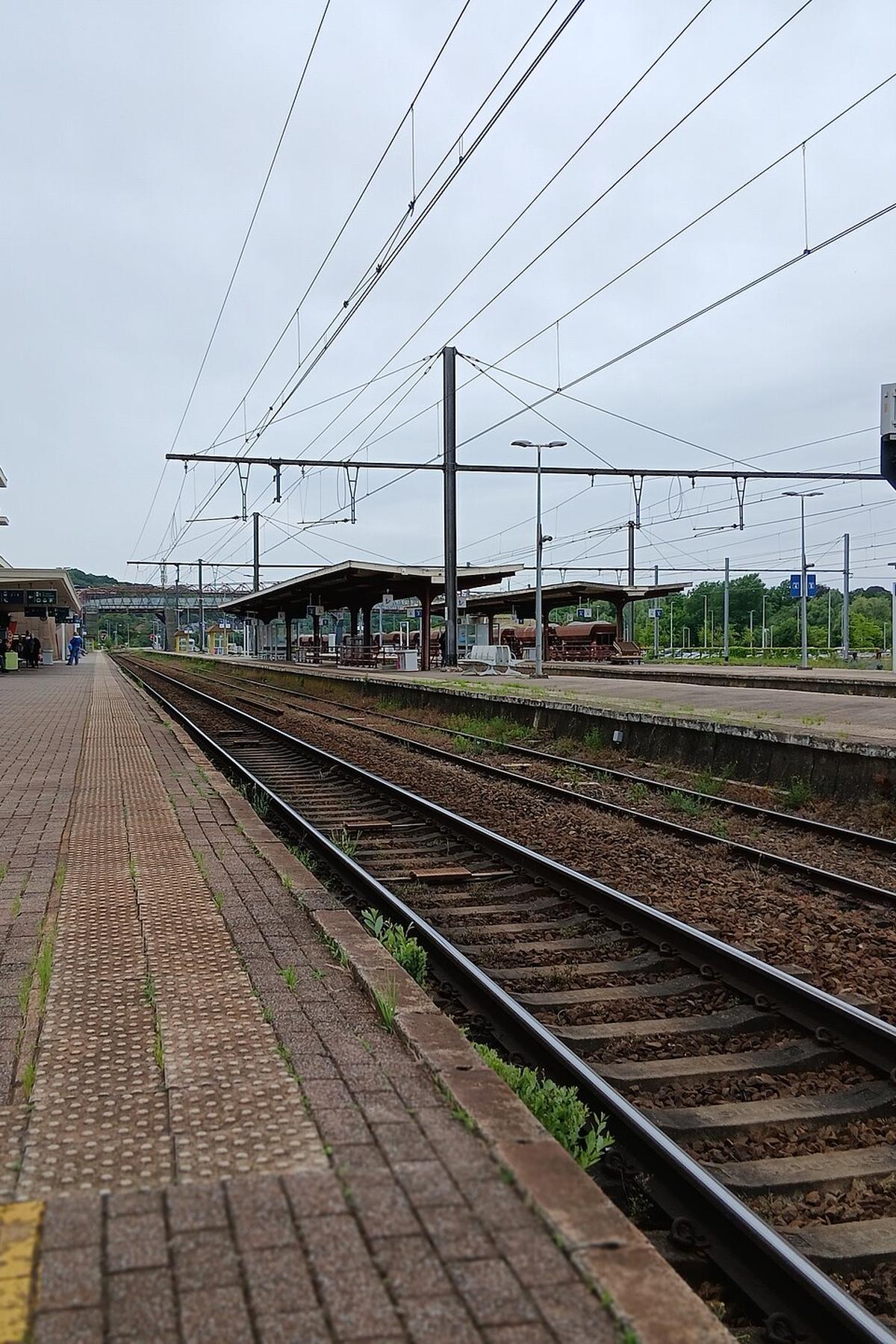
What a Three Day Belgium Rail Itinerary Looks Like
Minimum days for a first trip is three: one each for Brussels, a Flemish art city, and a day spent on a single obsession. The common mistake is trying to day trip Bruges, Ghent, and Antwerp from a single base in three days. This collapses into identical train stations and rushed market squares, leaving zero time for the spontaneous brown café stops that define the country. Pick one Flemish city. Spend the day there. Return to the capital for the evening or stay in Ghent overnight and skip the return trip.
Day one: Brussels. Arrive at Brussels Central. Walk to the Grand Place at dusk when the crowd thins and the light hits the guildhalls. The Atomium is a 20 minute metro ride from Central, but book the panoramic restaurant slot if you want to skip the queue. The Cantillon Brewery is a 15 minute walk from Brussels Midi and runs self-guided tours with a booklet. Arrive before 14:00 or the brewery closes for lunch.
Day two: Ghent. Train from Brussels Central to Ghent Sint-Pieters, half an hour. The Ghent Altarpiece at St Bavo's requires a mandatory timed ticket purchased online. Book it for 10:00. The Belfry of Bruges is the better tower if you want views, but the queue caps at 70 people at any time. Arrive by 09:00. The Grachten boat tours in Bruges often require cash, so carry coins. The frites stand next to the Bruges Belfry is cash only, but the museum across the street is cashless. Carry both.
Day three: a deep dive. Beer pilgrims take the train to Leuven (a quarter hour from the capital) or visit the Cantillon Brewery. WWI history travellers take the two hour train to Ypres and pre-book a minibus tour of the cemeteries. The Last Post ceremony at the Menin Gate starts at 20:00 sharp. Arrive by 19:30. Ardennes nature travellers take the hour and a half train to Dinant for the citadel and the saxophone bridge. Return to Brussels by the last intercity, which departs Dinant in the late evening.
Who Should Travel Belgium by Rail and Who Should Not
the Belgian rail network suits beer pilgrims, comic strip and Art Nouveau architecture fans, EU and history buffs, foodies prioritising frites and chocolate over fine dining, and slow travellers who enjoy aimless wandering in medieval cores. The network works best for those who plan one city per day and accept that a half hour train journey is the right distance between sights. The compact size of the country means you can sleep in the capital and visit Ghent for the day without moving hotels, but the better approach is to pack a small bag and spend one night in Ghent or Antwerp to avoid the return commute.
the Belgian rail network does not suit thrill seekers looking for dramatic alpine or coastal scenery, nightlife maximalists expecting 24 hour chaos, or travellers who get frustrated when locals do not switch to English unprompted. The Belgian rail network is reliable and cheap, but it is not fast by international standards. An intercity train from Brussels to Ghent takes half an hour because the line is old and the stops are frequent. A journey to Dinant takes an hour and a half and passes through industrial suburbs before it reaches the Meuse Valley. If you want speed, take the TGV to Paris. If you want a network where ticket rules matter more than distance, and where a youth fare buys you a seat to any city in the country, buy a Standard Multi and board the next intercity.
Common Questions
Do I need to reserve a seat for domestic SNCB trains?
No. Compulsory reservations do not exist for domestic SNCB services. You buy a ticket and board any train on the chosen route and date. First class gives you a seat guarantee only if the carriage is not full. Second class is first come, first seated. Avoid peak hour on the Brussels to Antwerp and Brussels to Ghent corridors if you want a seat.
What is the cheapest way to buy a train ticket in Belgium?
Use the SNCB app with a contactless bank card and a MOBIB card. Buying a paper ticket at the counter or machine adds a surcharge of roughly €1 to €2. The Standard Multi 10 is cheaper than buying singles for any trip over about 40km. The Weekend Return is cheaper than the Multi for return trips made between Friday 19:00 and Sunday last service.
Which Brussels station should I use for the city centre?
Brussels Central. It sits between the Grand Place and the Sablon district. Brussels Midi is the Eurostar hub and the station for connections to London, Paris, and Amsterdam, but the walk to the historic core takes 20 minutes down a dull boulevard. Do not book a hotel near Midi unless you have a train to catch.
How do I check for engineering works before my trip?
Visit sncb.be/en/timetable-updates-works. Major works concentrate in summer and on holiday weekends. The SNCB app sends push notifications for disruptions on your saved routes. Save every route you intend to use on the first day. The timetable changes on the second Sunday of December each year.
Can I take a bicycle on the train?
Yes, free on all domestic trains in designated spaces. No reservation required, but spaces are limited and not guaranteed. Arrive at the platform early and check the train composition information on sncb.be for each service, which shows the position of the bicycle carriage.