Riding the Semmering Railway as a Working Train Not a Museum Piece
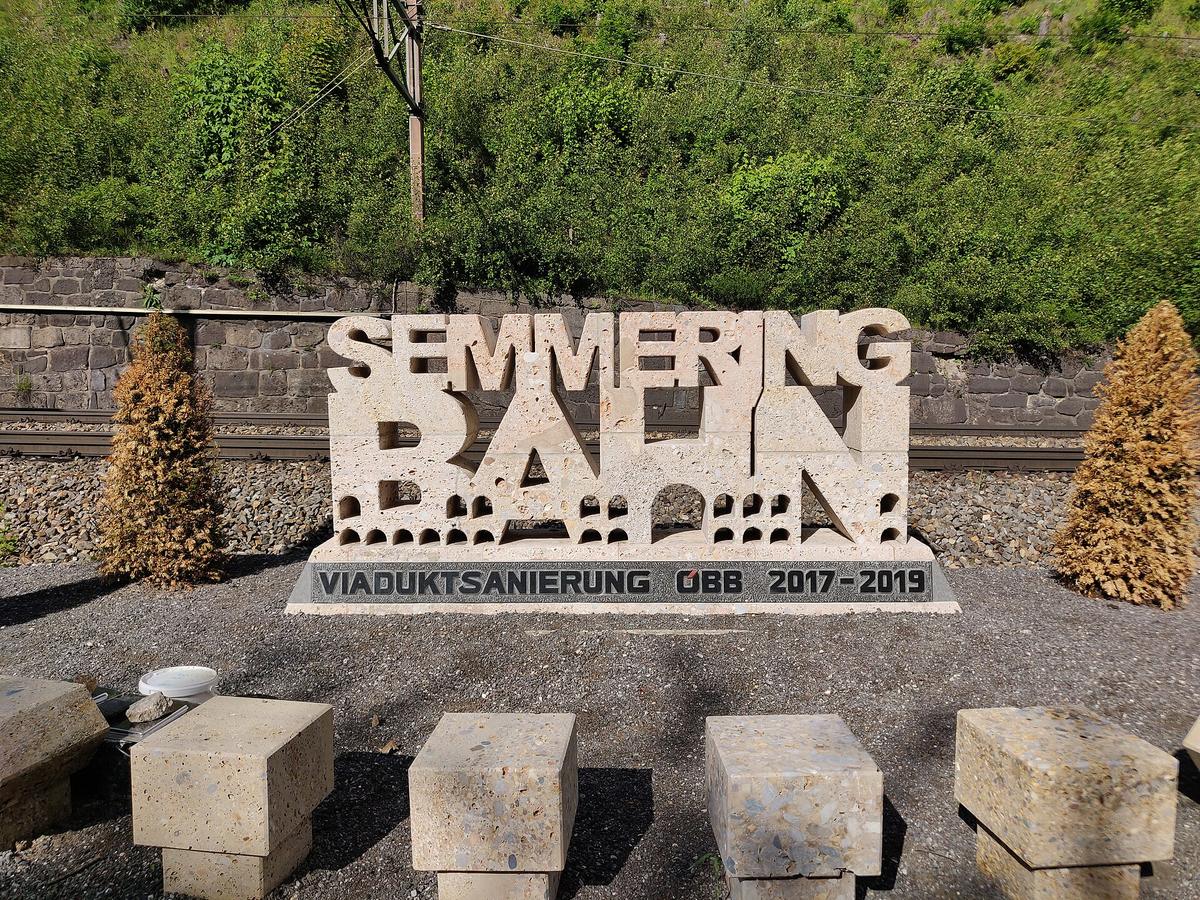

Riding the Semmering Railway as a Working Train Not a Museum Piece
You do not need a heritage ticket to ride the Semmering Railway. The UNESCO line is not a museum piece. It is the active main line between Vienna and Graz. Every standard Railjet, Regional Express, and regional train crosses it. The question is how to see the 16 viaducts and 15 tunnels from a regular service, not a tourist special.
The line runs 41.8 km from Gloggnitz to Mürzzuschlag, built between 1848 and 1854 by Carl von Ghega without modern machinery. It reaches 898 m above sea level at the summit tunnel. The gradient hits 25‰ (2.5%). The tightest curve radius is 190 m. The practical question is where to sit and when to look.
Which Side to Sit on and When to Watch
From Vienna To Graz: The South-Facing Window
Board the Railjet at Vienna Hauptbahnhof and sit on the right side of the train. Direction Graz, window seat. Car number matters less than side. That is the south-facing side. It gives you the unobstructed view of the stone arches as the train crosses them. The left side sees rock cuts and tunnel walls.
The scenic section begins roughly 20 minutes after Vienna, as the train leaves Gloggnitz. You pass the first tunnel within five minutes. The most dramatic structure, the Kalte Rinne Viaduct, stands 46 m high and 184 m long. It appears about halfway through the mountain section, around ten minutes after the climb starts.
From Graz To Vienna: The Same Rule Reversed
Coming from Graz, sit on the left side. Same logic. The viaducts face south. The Railjet route is identical in both directions. The scenic window reverses.
The failure case: you board late and the south-facing seats are taken. Stand in the vestibule between cars on the correct side. The door-area windows are full-height. They give a direct view of the spans. Do this for the quarter-hour between Gloggnitz and Mürzzuschlag. After Mürzzuschlag the line returns to the valley floor and the views end.
What the Engineering Looks Like from the Window
The Viaducts And Tunnels
The 16 viaducts are stone masonry, double-track width, built in the 1850s. Each one curves across a ravine. You see them from above as the train crosses, not from below. The 15 tunnels are mostly short, except the Semmering Summit Tunnel at 1,431 m. The train slows slightly through the mountain section. That helps visibility.
The line includes over 100 bridges total. You cannot count them from a moving train. Focus on the viaducts. The Kalte Rinne is the tallest at 46 m. The next tallest is the Krauselklause Viaduct. Both sit on the Gloggnitz side of the summit.
Tickets And Reservations
No special ticket is required. The 2026 ÖBB Standardpreis for Vienna to Graz is €45.00 to €60.00 full fare. With a Vorteilscard, that drops 50%. Sparschiene advance-purchase fares start at about 30% of the standard price. Reserve a seat on Railjet for €3.50 in standard class. It is free if you hold a first-class ticket. Regional trains do not offer reservations, but they run the same line and stop at Semmering station itself.
Getting Off at Semmering Station: the Short Walk to the Old Südbahnhotel
Get off at Semmering station to see the viaducts from the ground. From the platform, walk five minutes south along the Bahnwanderweg path. That path runs 9 km from Semmering to Breitenstein station, but you only need the first stretch. It brings you to a viewpoint above the tracks, directly opposite the abandoned Südbahnhotel.
The hotel is a grand late-19th-century mountain resort facade, closed since the 2000s but visible from the path. The viewpoint looks down onto the viaduct approach tracks. The return walk takes ten minutes. The next train south toward Graz or north toward Vienna arrives roughly hourly on the REX service. Check the ÖBB timetable for the day you travel.
Do not attempt the full 9 km Bahnwanderweg unless you have 2.5 hours and proper shoes. Cobblestone and gravel sections punish wheeled luggage. The short viewpoint walk works with a daypack.

| Route | Standardpreis Full Fare | With Vorteilscard (50% Off) | Sparschiene Advance Fare (Min) |
|---|---|---|---|
| Vienna–Semmering | €25.00–€35.00 | €12.50–€17.50 | from €7.50 |
| Vienna–Mürzzuschlag | €30.00–€40.00 | €15.00–€20.00 | from €9.00 |
| Vienna–Graz | €45.00–€60.00 | €22.50–€30.00 | from €13.50 |
What Goes Wrong Most Often
The most common mistake is expecting a dedicated tourist train with commentary and open-air carriages. The Railjet is a standard high-speed train. The windows are sealed. The train does not stop at viaducts. You get a moving view from a closed car. That is the experience.
The second mistake is sitting on the wrong side. Passengers who sit left-side from Vienna see tunnels and rock walls the entire way. They miss every viaduct. Check your seat assignment at boarding. Swap if needed.
Book the Vienna, Graz Railjet with a reserved seat on the correct side. Arrive at Vienna Hauptbahnhof ten minutes before departure. Sit right-side if southbound, left-side if northbound. Watch for the Kalte Rinne Viaduct at 46 m high. Keep your phone ready for the quarter-hour after Gloggnitz. The one thing that most often goes wrong: being on the wrong side and seeing nothing.
Read next
-

 Austrian Rail and the Country That Brought Night Trains Back to Europe
Austria’s ÖBB bet big on night trains when the rest of Europe gave up. Here is how the Nightjet network works, from sleeper cabins to booking a berth out of Vienna.
Austrian Rail and the Country That Brought Night Trains Back to Europe
Austria’s ÖBB bet big on night trains when the rest of Europe gave up. Here is how the Nightjet network works, from sleeper cabins to booking a berth out of Vienna.
-
 Wiener Neustadt
 is the last flatland station before the Semmering Railway climb. Here's why it matters for picking the right train and the right window.
Wiener Neustadt
Wiener Neustadt is the last flatland station before the Semmering Railway climb. Here's why it matters for picking the right train and the right window.
-
 Planning a European Rail Trip Across Borders With Tickets and Mobile Data
Plan a cross-border European rail trip with clear advice on digital tickets, reservations, live departures, connections, and mobile data.
Planning a European Rail Trip Across Borders With Tickets and Mobile Data
Plan a cross-border European rail trip with clear advice on digital tickets, reservations, live departures, connections, and mobile data.