Belgium Cross Border Trains Connecting Brussels to London, Paris, Amsterdam, Cologne and Luxembourg
Belgium cross border trains run from Brussels Midi on Eurostar, TGV, ICE, and SNCB InterCity routes, each with different operators, booking windows, and check-in rules.
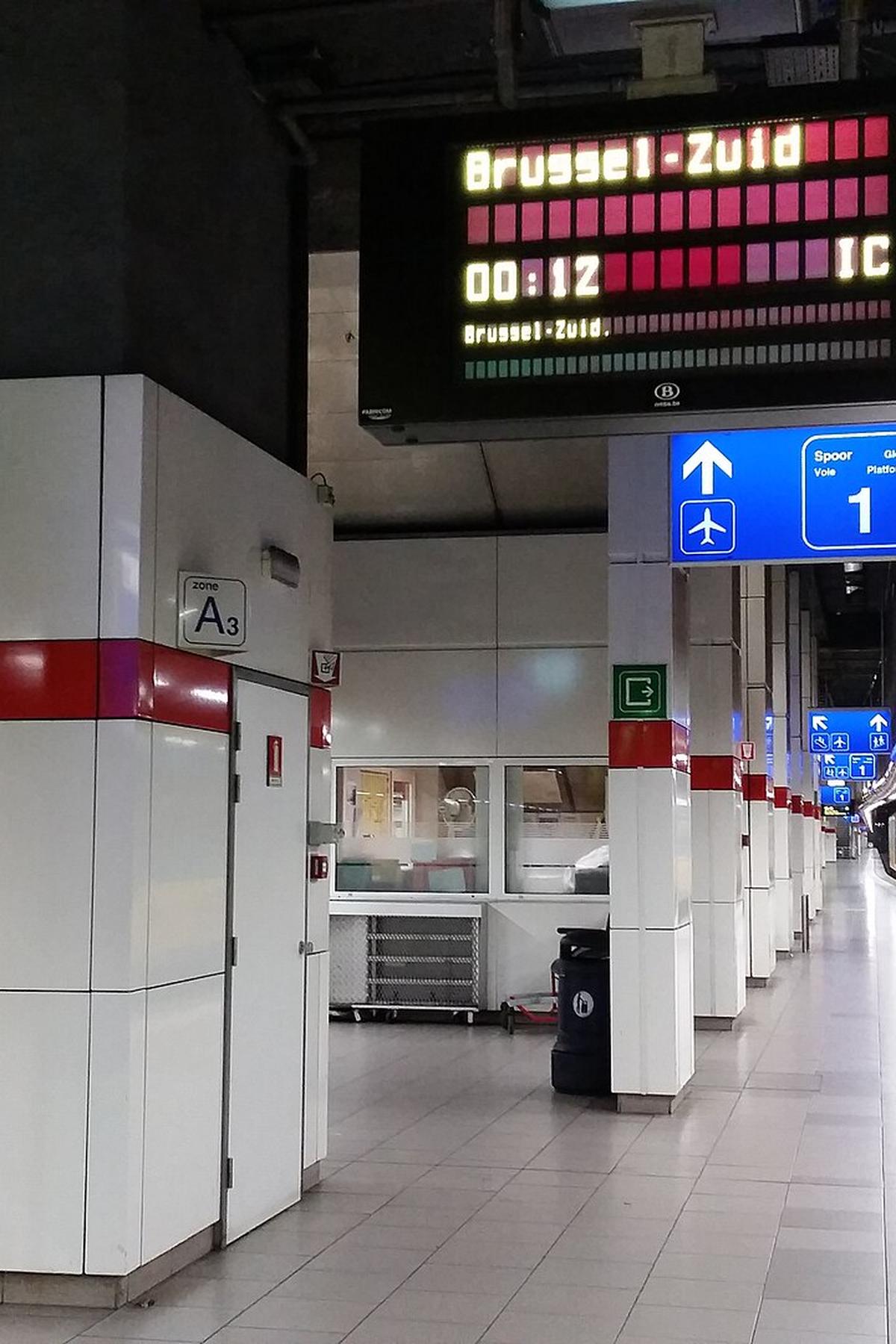

Belgium cross border trains: The Four Operators and Five Corridors That Move You Out of Belgium
Belgium cross border trains
The common assumption is wrong. You do not buy one ticket from the same company for every border crossing out of Belgium. Four operators run Belgian cross-border trains. The ticket rules, check-in procedures, and booking windows change completely depending on which direction you are heading. Eurostar handles London and Amsterdam. TGV operates to Paris and beyond. ICE runs to Cologne and Frankfurt. SNCB runs the InterCity to Luxembourg. The fifth corridor, the old Thalys to Amsterdam, now falls under Eurostar. The single point where these systems meet is Brussels Midi, and that station is where the friction lives. Domestic SNCB platforms give way to passport control, security, and a completely different set of rules about when you can board and what happens if you miss it.
Eurostar Brussels: London, Amsterdam and the 30-Minute Rule
London St Pancras
Eurostar runs from Brussels Midi to London St Pancras via Lille Europe. Lead-in fares for Standard start in the lowest band and climb to the highest as seats sell. The operator sets the bands; check eurostar.com for live pricing on your date. The catch is the check-in deadline. For Standard and Premium, you must be through security and passport control 30 minutes before departure. Business Premier gets 15 minutes. Miss it and the train leaves without you. Your ticket is forfeit.
The Separate Ticket Risk
If you book a separate SNCB domestic ticket to reach Brussels Midi and a separate Eurostar ticket to London, you have no cross-border protection. The minimum connection time at Brussels Midi for two SNCB trains is 10 minutes. That does not apply when switching from SNCB to Eurostar. The station does not guarantee a connection between separate bookings. If your domestic train arrives late, the Eurostar check-in closes at its published time. You lose the fare.
Amsterdam Centraal
The former Thalys route from Brussels to Amsterdam Centraal is now a Eurostar service. Same product structure as the London route: compulsory seat reservation, yield-managed pricing, demand-based fares. The lead-in fare varies by booking window. Book early or pay the premium.
TGV Brussels to France: Speed with a Reservation
Direct to Paris
TGV services from Brussels Midi to Paris Gare du Nord run through the same high-speed corridor as Eurostar until Lille, then split. The booking rules are similar: compulsory reservation, yield-managed fares, and ticket inspection at the platform gate. You do not pass through passport control for Paris, but you do need a valid ticket with a reserved seat before you enter the platform area.
The Slower Flexible Route
When last-minute Eurostar fares are high, the slower flexible route wins. Buy a walk-up SNCB ticket to Lille Flandres from Brussels Midi via Tournai. No reservation. No check-in. Then board a TGV from Lille to Paris. The total journey is slower, but the ticket costs less than a last-minute Eurostar and carries no show-up deadline risk.
ICE Brussels to Cologne: Optional Reservations, Fixed-Price Seats
The Direct ICE
ICE trains from Brussels Midi to Cologne and Frankfurt are operated by DB Fernverkehr. The route goes through Liège-Guillemins, Aachen Hbf, then Köln Hbf. Reservations are optional. A seat reservation costs a fixed fee on the DB tariff; check the current rate at bahn.de or in DB Navigator. You can ride without a reservation, but during peak season the train fills and you may stand for the 1 hour 50 minute trip to Cologne.
Separate Ticket Risk and the Regional Escape
The separate-ticket risk here is different. If you hold a DB saver fare, it covers only the booked train. Miss it at Liège or Aachen and the DB Flexpreis is the only fare that lets you board a later train. The regional alternative: buy a day ticket from SNCB to Aachen, then catch the RE train into Cologne. Total journey about 2 hours 45 minutes. Slower. Valid on any train that day. No reservation worry.
Brussels to Luxembourg Train: the Outlier with No Reservation
The Brussels to Luxembourg train is the exception to every rule on the practical advice. SNCB runs an InterCity service from Brussels Midi to Luxembourg station. No reservation required. No check-in deadline. Buy a walk-up fare at sncb.be or from the machine at the station and board any departure. The train stops at Liège-Guillemins, then crosses into Luxembourg.
This makes the Luxembourg corridor the most flexible of the five. When the EuroCity to Basel or Zurich looks expensive or sold out, the SNCB InterCity to Luxembourg is a better option. The same train continues as an SNCB service, so you are not locked into a fixed train constraint. Hourly departures. Walk-up pricing. No yield-management games.
The Operational Shift at Brussels Midi: Passport Control, Security, Different Ticket Rules
Segregated Departures
Brussels Midi is the hub for every Belgian cross-border train. The domestic SNCB platforms occupy the middle of the station. International departures are segregated. For Eurostar, you enter a dedicated departure hall with passport control and security screening. For TGV and ICE, you use standard platforms but ticket gates check your reservation before you reach the train.
Border Control and Connection Times
Border control is staffed by Belgian and UK officers for London trains. For Amsterdam, the Schengen area means no passport check, but Eurostar still requires identity verification at check-in. The key number: the minimum connection time between two SNCB trains at Brussels Midi is 10 minutes. That number does not apply when moving from SNCB to any international service. Budget 45 minutes minimum for Eurostar. Allow 20 minutes for TGV or ICE.
Booking Windows and Yield Management: Why SNCB Fixed Fares Beat the Rest
Fixed Fares on SNCB
SNCB domestic and regional cross-border trains use fixed fare bands. A ticket from Brussels to Bruges costs the same at 7am on a Monday as it does at 3pm on a Sunday. The same is true for the regional cross-border routes: Brussels to Lille, Brussels to Maastricht, and Liège to Aachen. No reservation. No yield management. No price surge.
Yield-Managed Operators
Eurostar, TGV, and ICE use yield management. Eurostar fares start in the lowest band and climb as seats sell. ICE saver fares on bahn.de start low and rise as the departure date approaches. The booking window for Eurostar opens roughly 11 months ahead. For ICE, it opens 6 months ahead. TGV booking windows follow the SNCF schedule of 4 months. Book all three early or pay the penalty.
When the Flexible Train Wins
Brussels to Luxembourg: take the SNCB InterCity. Brussels to Cologne: take the regional via Aachen if the ICE saver fare is gone. Brussels to Paris: take the SNCB to Lille then TGV if Eurostar is priced in the upper bands. Each alternative is slower but fixed-price and reservation-free.
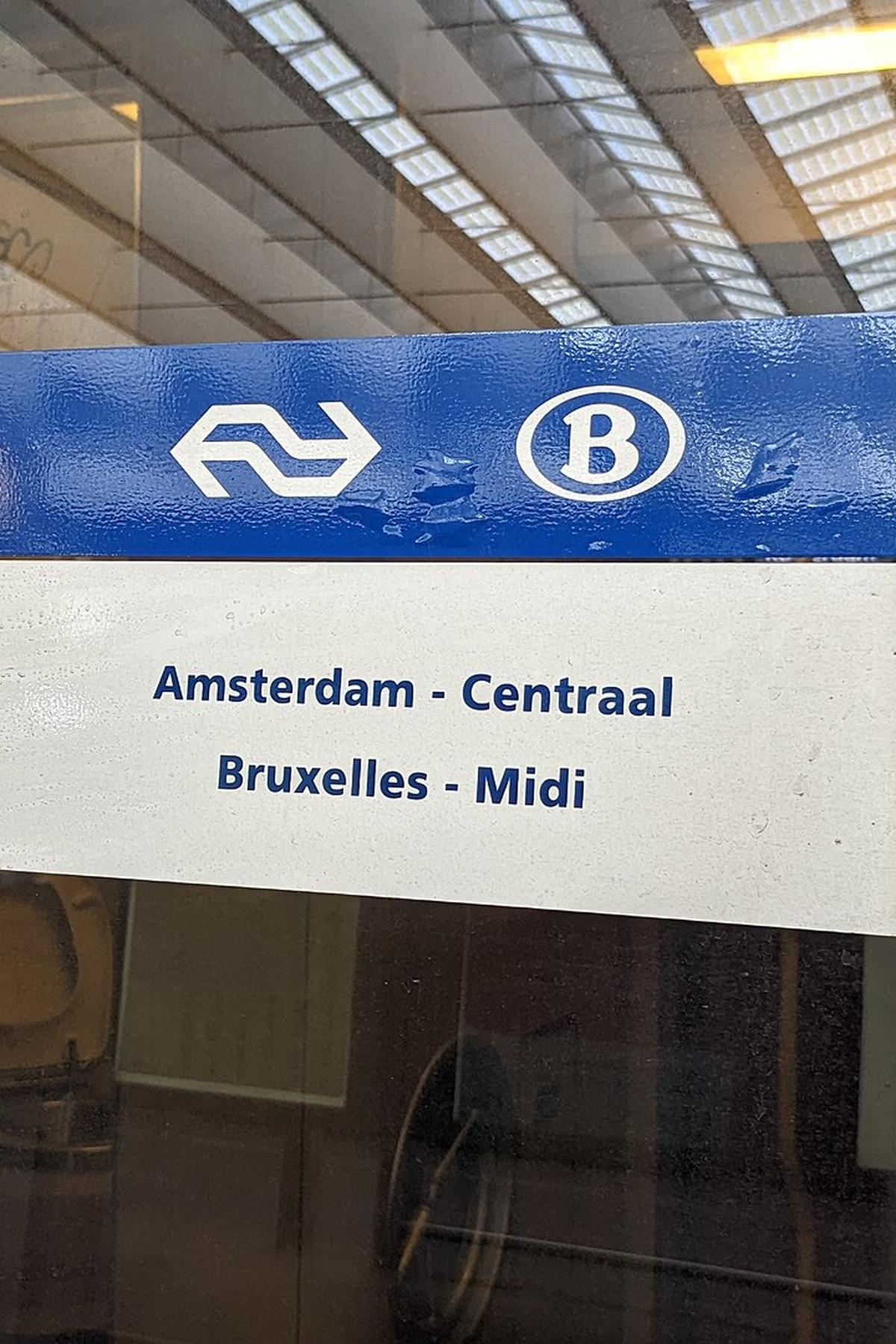

What Goes Wrong Most Often at Brussels Midi
The Domestic Mindset
The single most common mistake: arriving at Brussels Midi with a domestic mindset. You walk in, see the SNCB departure board, and assume your Eurostar or ICE train departs from the same hall with the same rules. It does not. For Eurostar, you must enter the separate departure hall before check-in closes. For ICE and TGV, you must pass through a ticket gate that reads your reservation code. A paper SNCB ticket will not open it.
The Separate-Booking Trap
The second mistake: buying a separate domestic ticket to reach Midi and a separate international ticket beyond it. When the domestic train is delayed, the international ticket is forfeit. The station does not protect you. If you cannot buy a through ticket, add 60 minutes to your connection time as a safety margin.
| Operator | Destination | Reservation | Check-In Close | Booking Window |
|---|---|---|---|---|
| Eurostar | London St Pancras | Compulsory | 30 min (Standard), 15 min (Business Premier) | 11 months |
| Eurostar | Amsterdam Centraal | Compulsory | 30 min | 11 months |
| TGV | Paris Gare du Nord | Compulsory | Platform gate | 4 months |
| ICE | Köln Hbf / Frankfurt Hbf | Optional (fixed fee) | Platform gate | 6 months |
| SNCB InterCity | Luxembourg | None | None | Walk up |
| SNCB Regional | Lille, Maastricht, Aachen | None | None | Walk up |
Engineering Works: the Annual Disruption You Cannot Ignore
Check Before You Book
Every operator publishes engineering work schedules. SNCB posts them at sncb.be under travel info and works on the network. Eurostar publishes service updates at eurostar.com. DB posts current disruptions at bahn.de under aktuell. These are annual documents, and the 2026 versions are the ones in force now. Check them before you book, especially for weekend travel. Summer engineering works on the high-speed line to London can add 30 minutes to the journey or force a bus replacement between Lille and Calais.
The Regional Escape Still Runs
When works close the direct ICE route, the regional alternative via Aachen still runs. When the Eurostar is partially cancelled, the SNCB to Lille then TGV to Paris option remains open. The slower flexible train is never subject to engineering works on the high-speed line, because it does not use it.
The Honest Caveat: Yield Management Punishes the Late Booker
Every operator on the practical advice except SNCB uses yield management. The lowest Eurostar fare is real but it sells out months ahead. The ICE seat reservation fee is real but optional. The TGV fare to Paris jumps sharply in the final two weeks before departure. The single thing that most often goes wrong: a traveller looks up a fare in September, considers it, returns in October, and finds it doubled. Do not wait. Book the through ticket or the early fare. If you miss that window, take the regional alternative. It is slower. It is fixed price. It will get you there.
Read next
-
 Belgium Trains Tickets Stations and the Rules That Catch Visitors
Belgium trains are frequent but the ticket rules, station layouts and payment quirks trip up even seasoned travellers. What to know before you tap or buy.
-
 Belgian Train Tickets Standard Weekend and Multi Journey Products Explained
Belgian train tickets from SNCB range from standard singles to weekend returns and multi-journey passes, and the right product depends entirely on how many cities you are visiting.
-
 Planning a European Rail Trip Across Borders With Tickets and Mobile Data
Plan a cross-border European rail trip with clear advice on digital tickets, reservations, live departures, connections, and mobile data.