What You Can Actually Take on Board a European Train
European trains rarely weigh your luggage but overhead racks are tiny and bike rules vary wildly by operator. What you can bring, where it goes, and what gets you fined.

What You Can Actually Take on Board a European Train
The woman three seats ahead on the 08:14 from Paris Gare de Lyon has a hard-shell suitcase that fits exactly nowhere. She tries the luggage rack. Too wide. The end-of-carriage rack is already stacked with two backpacks and someone's bicycle pannier. The suitcase sits in the aisle for the next hour, blocking the trolley service and earning a dozen silent stares. This is how luggage rules on European trains actually work: most companies have no formal weight limit, but the train itself punishes overpacking.
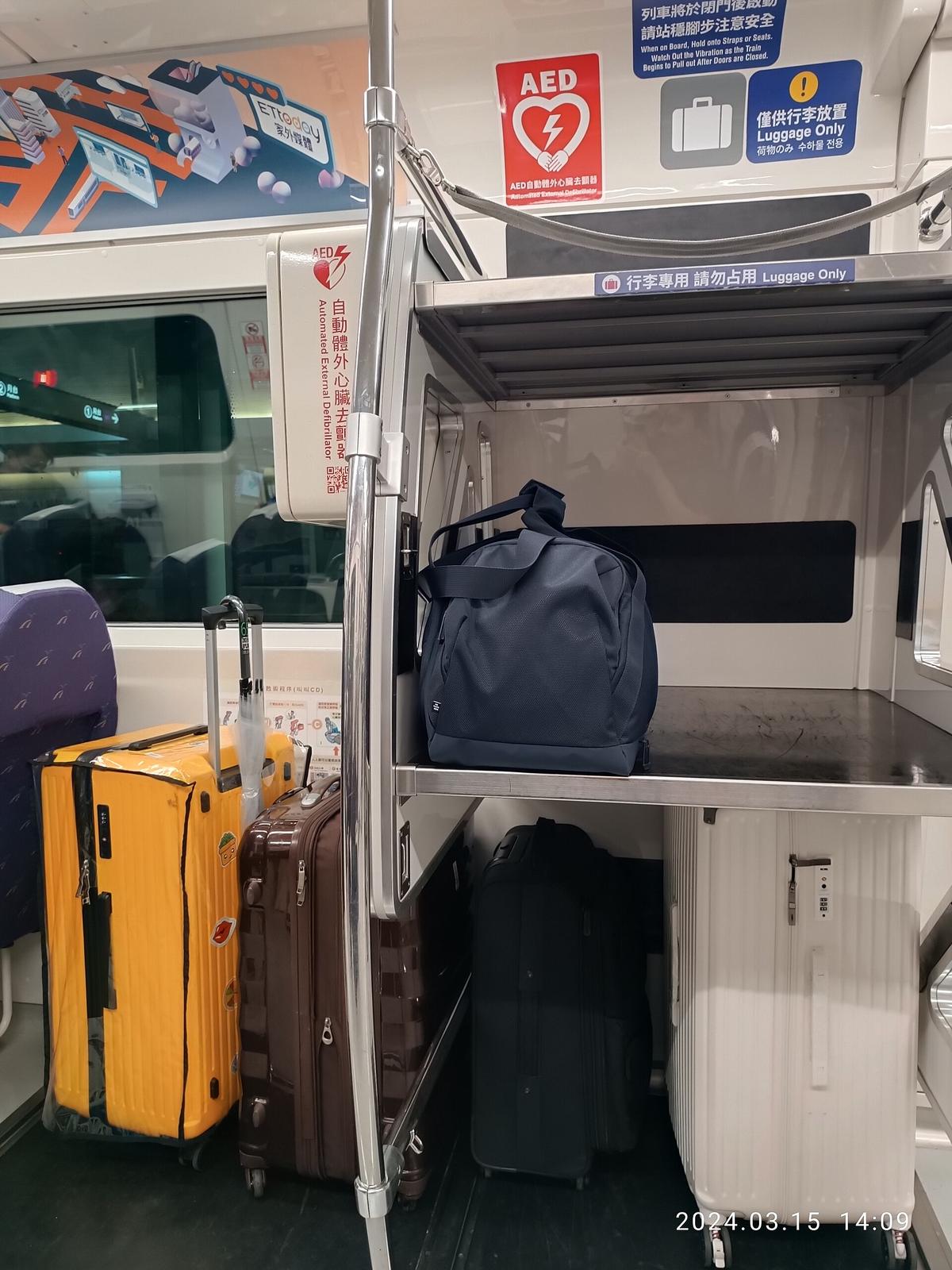
Europe is a patchwork of compact nations stitched together by high-speed rail. Crossing a border can mean a complete reset in language and payment norms within a single morning. What does not reset is the physical reality of the train carriage. Luggage racks on TGV, ICE, and Frecciarossa trains are designed for daypacks and small holdalls, not 30-litre wheeled suitcases. End-of-carriage racks fill first on busy services. The unwritten rule is simple: if you cannot lift your bag into a rack unaided and without blocking the aisle, you brought too much.
Luggage Rules by Operator
No major high-speed carrier publishes a weight limit. Eurostar allows two pieces of luggage up to 85cm long plus one piece of hand luggage, with no weight limit and no facility for excess or registered luggage. TGV, Deutsche Bahn ICE, ÖBB, Trenitalia Frecciarossa, and SNCF Intercités all have no weight limit. Luggage must fit in dedicated racks. Dimensions are not enforced unless your bag physically obstructs an aisle or door. Thalys permits two pieces plus one hand piece, again no weight limit. Renfe AVE allows three pieces with combined dimensions not exceeding 290cm and a total weight of 25kg. Italo permits two pieces plus one hand piece, no weight limit. EuroCity and InterCity trains follow the same rack constraints with no stated limit.
| Operator | Pieces Allowed | Weight Limit | Key Constraint |
|---|---|---|---|
| Eurostar | 2 + 1 hand piece (max 85cm each) | None | No excess luggage service |
| TGV (SNCF) | No specified limit | None | Must fit in overhead or end-carriage racks |
| ICE (DB) | No specified limit | None | Must be stowed in overhead racks or designated areas |
| Frecciarossa (Trenitalia) | No specified limit | None | Must fit in racks; dimensions not specified |
| Thalys | 2 + 1 hand piece | None | No weight limit applies |
| Renfe AVE | 3 pieces (combined max 290cm) | 25kg total | Strictest limit of high-speed operators |
| Italo | 2 + 1 hand piece | None | No weight limit applies |
| Nightjet (ÖBB) | No specified limit | None | Store luggage in compartment or dedicated racks |
Bikes: Where You Pay and Where You Do Not
Regional Trains: Buy A Ticket, Hop On
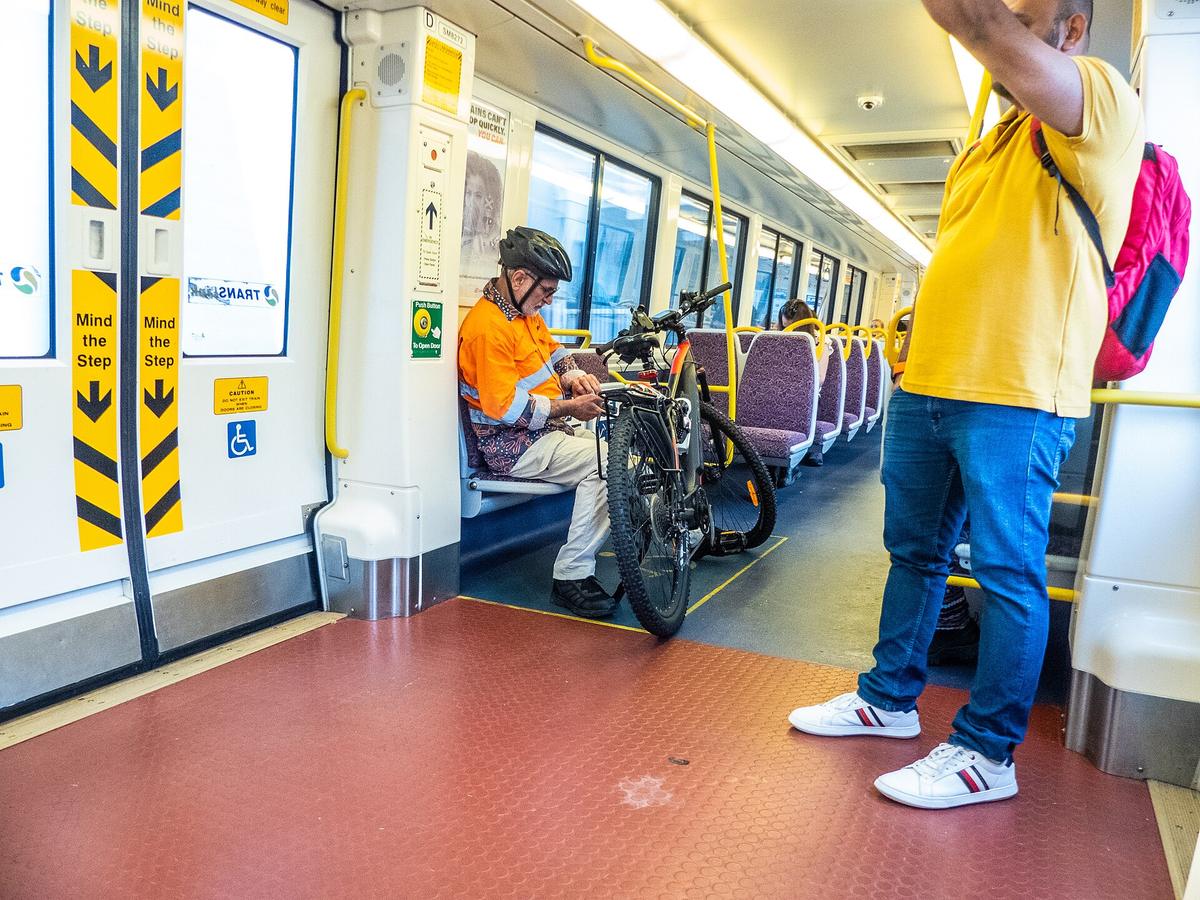
Bicycle policy splits Europe into two camps. Regional trains in Germany, Austria, Switzerland, the Czech Republic, and Denmark carry bikes with no booking required. Buy a bike ticket at the station, find the designated carriage, and load yourself. Spaces are first come, first served. This works for river paths and countryside routes. It fails on a Friday afternoon in August when three other cyclists board at the same stop.
High-Speed And Long-Distance Services
Fast trains demand a booking and a supplement. TGV charges approximately €10 per bike. The same rate applies to SNCF Intercités and Renfe AVE. Nightjet sleeper services cost roughly €14 per bike and spaces are limited. Eurostar only accepts bikes if they are dismantled and bagged, with the bag not exceeding 85cm, or through a registered luggage service on certain routes. Thalys requires the bagged bike to fit within 75 x 53 x 30cm. Frecciarossa in Italy allows bikes only if dismantled and bagged, with a bag size not exceeding 80 x 110 x 40cm, and no supplement is charged. EuroCity and InterCity rules vary by carrier and country; the supplement runs €5 to €15.
Folding Bikes Are The Shortcut
Folding bikes are carried free and with no booking on virtually every European train when folded and bagged. They count as hand luggage. The standard size threshold is roughly 80 x 60 x 40cm when folded. Exact dimensions vary by carrier, but any proper folding bike folds smaller than that. If you plan to combine city cycling with train travel, a folding bike saves you the booking fee and the risk of being turned away.
Ski And Instrument Rules
Skis travel free on most European trains if bagged and stored in designated racks or luggage spaces. On Eurostar, skis are accepted as part of your luggage allowance if the bag does not exceed 85cm. Small musical instruments count as hand luggage. Larger instruments may require a separate ticket or booking depending on the carrier. Check with the specific railway before you board; a cello cannot squeeze into a standard luggage rack.
Left Luggage at Major Stations
Arrive early or have a layover? Left luggage is available at most major terminals. Deutsche Bahn stations offer lockers and staffed offices. Prices run roughly €3 to €6 per 24 hours depending on locker size, based on 2024 rates published by DB. At Paris Gare du Nord, lockers cost about €5 to €10 per 24 hours. Amsterdam Centraal charges €6 to €10 per 24 hours. Roma Termini has a staffed office at approximately €6 per item per 24 hours. Barcelona Sants offers lockers and a staffed office at €5 to €10 per 24 hours. London St Pancras uses the Excess Baggage Company at roughly £7.50 per item per 24 hours. These prices change annually. Pay with coins at lockers; card machines are not always reliable.

Five Habits That Keep Your Luggage Safe
Theft on trains is rare but targeted. Opportunists work station stops, especially busy ones like Paris Gare du Nord or Roma Termini, where bags near doors are vulnerable to grab-and-run. These five habits cut the risk to near zero.
- Keep luggage in sight during boarding and at the platform. Do not set your bag down to check your phone.
- Use a cable lock to secure your bag to the rack if you are sitting away from it. A small combination lock takes 15 seconds to attach.
- Store luggage on the overhead rack opposite your seat, not above your head. That way you have a direct line of sight while sitting.
- Keep valuables on your person. Passport, money, phone go in a zipped jacket pocket or a cross-body bag, not in the overhead rack or the end-of-carriage luggage area.
- Watch the doors at station stops. A bag left near the exit while you stand at the far end of the carriage is an invitation. Step toward it as the train slows.
The Failure Case: What Goes Wrong Most Often
The single thing that most often goes wrong is not the luggage rules themselves. It is the assumption that one train is like another. A traveller who rides regional trains in Germany for a week carries a bike with no fuss, then boards a TGV in Paris without a booking and is refused. Or they buy a Renfe AVE ticket with a bag that fits every other carrier, only to be told at the platform that their combined luggage exceeds 25kg. Or they fail to validate a paper ticket before boarding and pay a fine that costs more than the ticket itself.
Check every rule per carrier before you travel. The national railway app for each country is the only reliable source. The 2024 rates and policies printed here are a guide, but timetables and booking rules change by season and year. Verify with the carrier before you book. Pack for what you can lift into a luggage rack. That is the only rule that applies on every train in Europe.
Read next
-
 Belgium
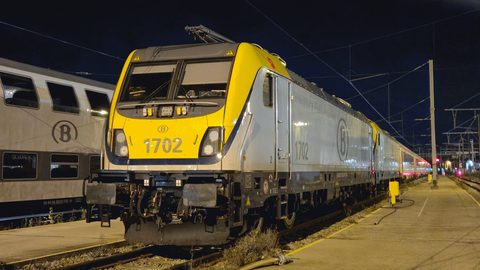
's rail network is compact but its ticket rules catch visitors out. Here's how SNCB fares, station choices and weekend deals actually work.
Belgium
Belgium's rail network is compact but its ticket rules catch visitors out. Here's how SNCB fares, station choices and weekend deals actually work.
-
 Spain
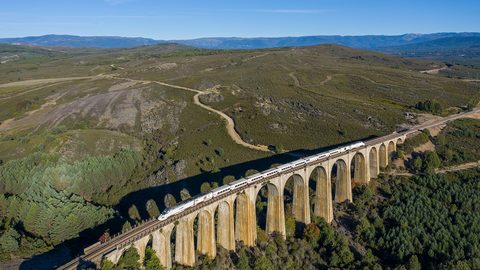
Spain's AVE network is fast but leaves entire regions on older Iberian-gauge rails. Explore the conventional lines, from the FEVE coastal route to the Ronda railway, that the high-speed map ignores.
Spain
Spain's AVE network is fast but leaves entire regions on older Iberian-gauge rails. Explore the conventional lines, from the FEVE coastal route to the Ronda railway, that the high-speed map ignores.
-
 Norway
 has four main rail corridors, not a sprawling network. Compare the Bergen, Dovre, Nordland, and Sørland lines to decide which one fits your limited time and scenic priorities.
Norway
Norway has four main rail corridors, not a sprawling network. Compare the Bergen, Dovre, Nordland, and Sørland lines to decide which one fits your limited time and scenic priorities.
-
 Austria
's railways unite Alpine pass routes with Europe's densest night train network. Understand how the Arlberg line and Wien Hauptbahnhof sleeper hub connect mountain valleys to distant capitals.
Austria
Austria's railways unite Alpine pass routes with Europe's densest night train network. Understand how the Arlberg line and Wien Hauptbahnhof sleeper hub connect mountain valleys to distant capitals.
-
 Portugal
's rail network splits into three distinct experiences: the scenic Douro line, the coastal Algarve route, and the slow Alentejo interior. Choose the corridor that fits your travel temperament.
Portugal
Portugal's rail network splits into three distinct experiences: the scenic Douro line, the coastal Algarve route, and the slow Alentejo interior. Choose the corridor that fits your travel temperament.
-
 Italy
Italy's rail network is more than the Frecciarossa spine. Discover the regional branch lines that climb through the Apennines and hug the Sicilian coast, and why they are worth the slower pace.
Italy
Italy's rail network is more than the Frecciarossa spine. Discover the regional branch lines that climb through the Apennines and hug the Sicilian coast, and why they are worth the slower pace.
-
 European Train Delays Your Rights and How to Claim Compensation
European rail passenger rights guarantee compensation for delays over an hour but claiming it requires knowing each operator's process. The forms, deadlines, and the HOTNAT rule explained.
European Train Delays Your Rights and How to Claim Compensation
European rail passenger rights guarantee compensation for delays over an hour but claiming it requires knowing each operator's process. The forms, deadlines, and the HOTNAT rule explained.
-
 Train or Plane in Europe The Door to Door Arithmetic
A 90-minute flight looks faster than a four-hour train until you add airport transfers, security, and baggage reclaim. The door-to-door arithmetic for key European city pairs.
Train or Plane in Europe The Door to Door Arithmetic
A 90-minute flight looks faster than a four-hour train until you add airport transfers, security, and baggage reclaim. The door-to-door arithmetic for key European city pairs.
-
 Navigating Big European Train Stations Platforms and Transfers