The EU Research Project That Preceded This Site
This domain was originally home to Run2Rail, an EU Horizon 2020 research project on railway noise and running gear. Here is what the project achieved before the site changed purpose.

The EU Research Project That Preceded This Site
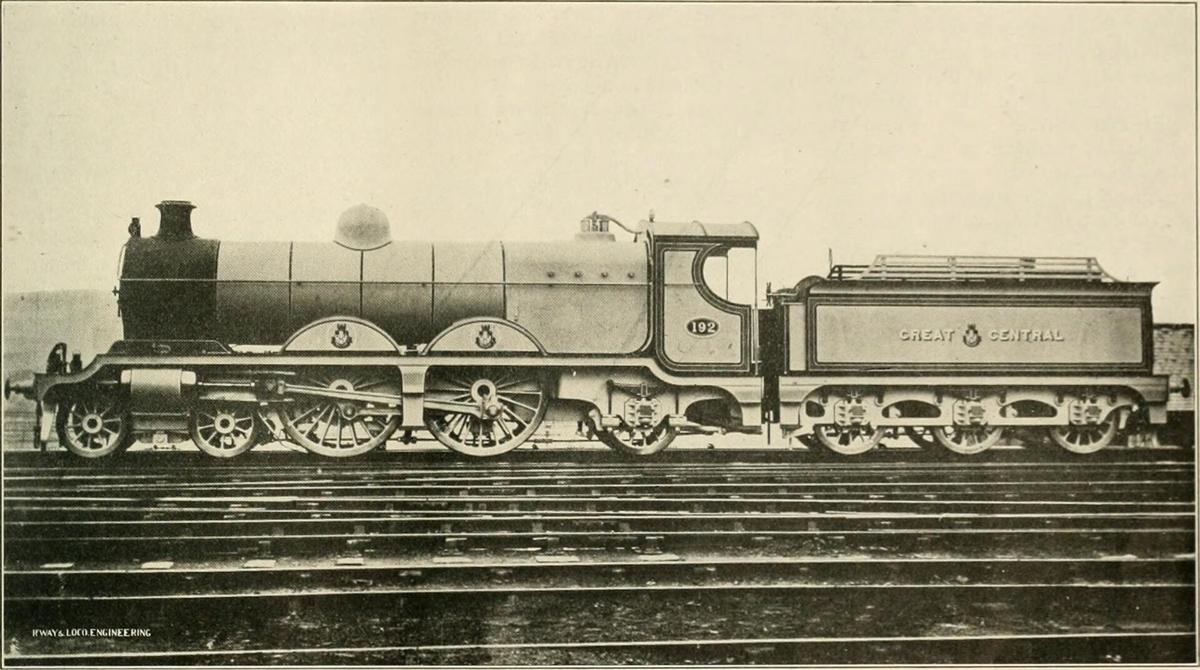
This domain did not start as a travel guide. Between September 2017 and August 2019, it hosted the official website of Run2Rail, a European Union research project. Run2Rail was part of the Shift2Rail initiative, funded under the Horizon 2020 programme. Its purpose was to develop next-generation railway running gear: lighter, quieter bogies and suspension systems that cause less track damage and reduce noise and vibration.
The project ended six years ago. The consortium of European universities and rail-industry partners delivered its findings. The domain was then transitioned to its current use: a practical rail-travel information site covering Europe. Telling you this history builds trust because hiding it would not. If you arrived here expecting research documents, you now know what changed and why.
What Run2Rail Actually Achieved
Lighter Bogies And Active Suspension
Run2Rail focused on a single technical problem: the running gear underneath trains, meaning bogies, wheelsets, and suspension. Conventional steel wheels on steel rails generate rolling noise, vibration, and track fatigue. The project explored lighter materials, new wheel profiles, and active suspension systems that dampen vibration in real time. The goal was to make rail transport quieter for residents living near tracks and cheaper for operators through reduced track maintenance.
Where The Research Lives Now
The consortium published multiple technical papers, test results, and design concepts. These are still available through the records of the programme's successor, Europe's Rail Joint Undertaking. The official records live at the Europe's Rail website, operated by the European Union. That body now manages the research pipeline that Shift2Rail started.
The specific findings from Run2Rail fed into later projects under Europe's Rail. If you need the technical data, go there. This site does not host it anymore.
Run2Rail: A European Railway Research Project
The run2rail.eu domain was repurposed from an EU-funded railway research initiative into a rail-travel resource. The reasoning was direct: the domain already carried a rail association in search engines and in the minds of anyone who had bookmarked it. Switching to a rail-travel guide kept that connection alive while serving a broader audience.
What Run2Rail Covers Now
The content now covers European rail routes, city districts accessible by train, day trips from major hubs, and the practical friction of crossing borders. Know this: EU roaming is free for EU SIMs but not for UK or Swiss crossings. Budget €0.50 to €1.50 for public toilets. Pack soft bags, because cobblestones punish wheeled luggage. Europe is not seamless. Run2Rail does not pretend otherwise.
The honest explanation of how a research project domain turned into a travel resource. No marketing angle. No hidden affiliate motive. Just the record.
.jpg)
| Parameter | Value |
|---|---|
| Project Start | 2017-09-01 |
| Project End | 2019-08-31 |
| Funding Programme | Horizon 2020 |
| Parent Initiative | Shift2Rail |
| Research Focus | Innovative running gear (lighter, quieter, less track-damaging bogies and suspension) |
| Consortium | European universities and rail-industry partners |
| Successor Programme | Europe's Rail Joint Undertaking |
| Official Records URL | https://rail-research.europa.eu |
| Domain' s Current Purpose | Rail-travel information site, Europe |
| Fact Sheet Compiled | 2026-08-21 |
Read next
-
 Belgium
's rail network is compact but its ticket rules catch visitors out. Here's how SNCB fares, station choices and weekend deals actually work.
Belgium
Belgium's rail network is compact but its ticket rules catch visitors out. Here's how SNCB fares, station choices and weekend deals actually work.
-
 Spain
Spain's AVE network is fast but leaves entire regions on older Iberian-gauge rails. Explore the conventional lines, from the FEVE coastal route to the Ronda railway, that the high-speed map ignores.
Spain
Spain's AVE network is fast but leaves entire regions on older Iberian-gauge rails. Explore the conventional lines, from the FEVE coastal route to the Ronda railway, that the high-speed map ignores.
-
 Norway
 has four main rail corridors, not a sprawling network. Compare the Bergen, Dovre, Nordland, and Sørland lines to decide which one fits your limited time and scenic priorities.
Norway
Norway has four main rail corridors, not a sprawling network. Compare the Bergen, Dovre, Nordland, and Sørland lines to decide which one fits your limited time and scenic priorities.
-
 Austria
's railways unite Alpine pass routes with Europe's densest night train network. Understand how the Arlberg line and Wien Hauptbahnhof sleeper hub connect mountain valleys to distant capitals.
Austria
Austria's railways unite Alpine pass routes with Europe's densest night train network. Understand how the Arlberg line and Wien Hauptbahnhof sleeper hub connect mountain valleys to distant capitals.
-
 Portugal
's rail network splits into three distinct experiences: the scenic Douro line, the coastal Algarve route, and the slow Alentejo interior. Choose the corridor that fits your travel temperament.
Portugal
Portugal's rail network splits into three distinct experiences: the scenic Douro line, the coastal Algarve route, and the slow Alentejo interior. Choose the corridor that fits your travel temperament.
-
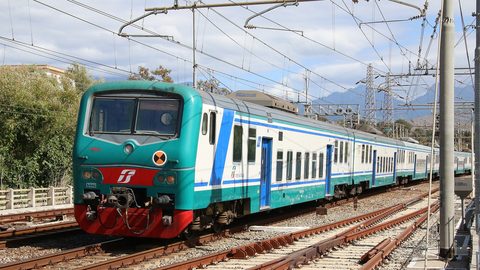
 Italy
Italy's rail network is more than the Frecciarossa spine. Discover the regional branch lines that climb through the Apennines and hug the Sicilian coast, and why they are worth the slower pace.
Italy
Italy's rail network is more than the Frecciarossa spine. Discover the regional branch lines that climb through the Apennines and hug the Sicilian coast, and why they are worth the slower pace.
-
 European Train Delays Your Rights and How to Claim Compensation
European rail passenger rights guarantee compensation for delays over an hour but claiming it requires knowing each operator's process. The forms, deadlines, and the HOTNAT rule explained.
European Train Delays Your Rights and How to Claim Compensation
European rail passenger rights guarantee compensation for delays over an hour but claiming it requires knowing each operator's process. The forms, deadlines, and the HOTNAT rule explained.
-
 Luggage and Bikes on European Trains Rules and Realities
European trains rarely weigh your luggage but overhead racks are tiny and bike rules vary wildly by operator. What you can bring, where it goes, and what gets you fined.
Luggage and Bikes on European Trains Rules and Realities
European trains rarely weigh your luggage but overhead racks are tiny and bike rules vary wildly by operator. What you can bring, where it goes, and what gets you fined.
-
 Train or Plane in Europe The Door to Door Arithmetic
A 90-minute flight looks faster than a four-hour train until you add airport transfers, security, and baggage reclaim. The door-to-door arithmetic for key European city pairs.
Train or Plane in Europe The Door to Door Arithmetic
A 90-minute flight looks faster than a four-hour train until you add airport transfers, security, and baggage reclaim. The door-to-door arithmetic for key European city pairs.