Is First Class on European Rail Worth the Upgrade
First class on European trains ranges from a wider seat and a newspaper to a full hot meal and lounge access. Here is what each operator actually delivers and when second class is enough.


Is First Class on European Rail Worth the Upgrade
You are standing on platform 14 at Frankfurt Hauptbahnhof, a DB ICE 3 train gliding in silent on its third rail current. You bought a first class ticket for the three hour run to Berlin. The question is whether that 50 millimetres of extra seat width and a pass to a lounge where the coffee is free but the queue for the coffee is not actually delivers anything you will remember tomorrow.
First class on European trains is not a single product. It is four different national strategies packed into one ticket code. Germany gives you width and quiet. France gives you a cold meal on the right train. Italy splits you into three tiers where only the top one delivers what Americans mean by first class. Austria gives you a drink brought to your seat. None of them charge the same markup. None of them are worth it on every route.
Here is the hard rule. If your journey is under two hours and you are not taking a peak departure, second class is adequate. If you are working, tired, or crossing a border on a four hour run, the upgrade buys something real but only in specific countries from specific operators. The table below lays out exactly what you get per ticket type, per operator, per country.
| Operator | First Class Name | Seat Width | At-Seat Meal | Lounge Access | Fare Premium (Advance) |
|---|---|---|---|---|---|
| DB ICE (Germany) | 1st Class | 530 mm (2+1) | No (bistro car or app order) | DB Lounge with Flexpreis ticket | 30-60% |
| SNCF TGV inOui (France) | Première | Wider than 2nd | Cold meal tray on selected services | No (TGV Pro only) | 30-50% |
| Trenitalia Frecciarossa (Italy) | Business | Wider than Standard | Cold meal and drinks | FrecciaLounge/Club | 40-80% |
| Trenitalia Frecciarossa (Italy) | Executive | Dedicated 8-seat cabin | Full hot meal | FrecciaLounge/Club | 80-100%+ |
| ÖBB Railjet (Austria) | 1st Class | Wider than 2nd | At-seat drink service | ÖBB Lounge at Wien Hbf | 50% |
| Renfe AVE (Spain) | Preferente | Wider than 2nd | Cold meal on some routes | Sala Club lounge | 20-40% |
| Eurostar | Premier | Wider than Standard | Full meal with wine | Lounge at Gare du Nord, St Pancras | 100-150% |
Germany: DB ICE First Class
What The Upgrade Buys
DB ICE first class gets you a seat width of 530 millimetres in a 2+1 configuration, compared to 480 millimetres in 2+2 for second class. That is the difference between a regular economy seat and a premium economy seat on a long haul flight. You also get access to the DB Lounge at major stations including Frankfurt Hauptbahnhof, Berlin Hauptbahnhof and Munich Hauptbahnhof, but only if you bought a Flexpreis ticket. The discounted Sparpreis first class ticket does not include lounge access.
There is no complimentary at-seat meal. You order from the bistro car or through the DB Navigator app. The quiet zone carriages are available in first class on all ICE trains. The fare markup for a Flexpreis first class ticket over a Flexpreis second class ticket runs about 1.5:1 to 1.6:1. For a Sparpreis advance purchase, the markup drops to 30-60%.
When To Book It
Skip first class on DB ICE if your journey is under 90 minutes. The wider seat matters less than the frequency of service and you can walk to the bistro car in the same time it takes to find your carriage.
France: SNCF TGV InOui First Class
The Meal Question
SNCF TGV inOui Première Class includes a complimentary cold meal tray on selected services, specifically TGV Pro trains and some peak departures. On most regular TGV inOui services, you get a wider seat and a power socket but no food. The bar car is available to all passengers.
The fare markup for Première Loisir over Seconde Loisir on an advance purchase runs about 1.3:1 to 1.5:1. That is a 30-50% surcharge for a seat that is marginally wider and, on perhaps half of trains, a tray with a sandwich, a yogurt and a drink. The TGV Pro tier above first class adds a guaranteed seat, a hot meal and a taxi voucher at the destination, but those trains run on limited corridors.
When To Book It
Book first class on TGV inOui only if you are taking a train that is confirmed to have the meal service, which SNCF marks in the booking flow. Otherwise second class on a TGV is comfortable enough for any journey under three hours.
Italy: Trenitalia Frecciarossa Three Tiers
Premium, Business And Executive
Trenitalia splits first class into three products on Frecciarossa trains. Standard is second class. Premium is the first real upgrade: a wider seat, a complimentary cold meal and drinks, and access to the FrecciaLounge at major stations. Business is a notch above Premium with a wider seat pitch and a quieter carriage. Executive is a separate cabin with eight seats, a full hot meal served on china, and dedicated lounge access.
The fare ratio for Business over Standard runs about 1.4:1 to 1.8:1. Executive can run double the Standard fare or more. For a three hour run from Milan to Rome, the gap between a Standard ticket at EUR 80 and an Executive ticket is a meaningful upgrade if you plan to work or eat on the train. For a one hour hop from Florence to Bologna, Executive is wasted money.
Which Tier To Pick
Book Business on Frecciarossa for any journey over two hours. Book Executive only if your budget allows the splurge and you want the dedicated carriage. Skip Premium unless the cold meal matters to you; the seat is the same width as Business.


Austria: ÖBB Railjet First Class
Central Europe’s Best Deal
ÖBB Railjet first class gets you an at-seat drink service, which on a two hour run from Vienna to Salzburg means a coffee or a small bottle of water brought to your table without leaving your seat. You also get access to the ÖBB Lounge at Wien Hauptbahnhof, a clean space with free drinks and power outlets. The seat is wider than second class with more legroom.
The fare markup for first class over second class runs about 1.5:1. Railjet does not have a dedicated bistro car; the at-seat drink is the main catering. For a round trip from Vienna to any major Austrian city, the cost difference is roughly EUR 30. That is a fair price for the convenience of not queuing for coffee.
Book first class on Railjet for any journey over 90 minutes. The at-seat drink and lounge access make it the best value first class upgrade in Central Europe.
Worth it if
- A seat reservation in first class gives you more legroom and a quieter environment on long runs.
- Lounge access at major stations in Frankfurt, Vienna and Rome saves time and includes free drinks.
- On ÖBB Railjet and Trenitalia Business, at-seat service raises comfort noticeably on longer routes.
- Executive on Trenitalia offers a separate cabin with just eight seats for total quiet.
- On routes over three hours, the extra legroom and service justify the higher fare.
Skip it if
- DB ICE has no free at-seat food; the 50% markup buys you only a wider seat.
- In France you get the meal only on selected trains, and the booking process is awkward.
- On short hops under 90 minutes the upgrade is wasted money on almost every operator.
- The Executive fare on Trenitalia costs double the Standard fare for marginal improvements.
When Second Class is Good Enough
Three Reasons To Stay Put
Second class on European high speed rail is not the cramped, seat kicking experience of a budget airline. ICE second class has 480 millimetre wide seats with power sockets. TGV second class has fold down trays and a bar car that serves beer and sandwiches. Frecciarossa Standard on a new ETR 1000 train is clean, quiet and fast.
Stay in second class in three situations. First, when your journey is under two hours. Second, when you are travelling solo with a small bag and can sit in a two seat row. Third, when you are on a tight budget and the 30-60% markup would fund a better meal or a museum ticket at your destination.
The Pass Question
Eurail and Interrail passes cost 30-40% more for first class. The reservation fees on high speed trains are identical. Unless you plan to spend eight hours a day on trains for two weeks, the second class pass is the correct purchase.
Read next
-
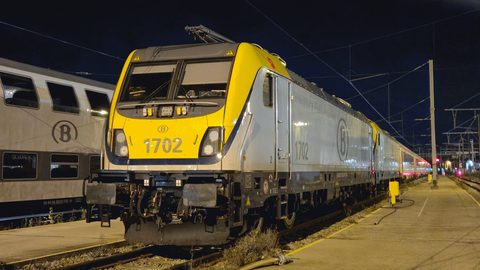
 Belgium
's rail network is compact but its ticket rules catch visitors out. Here's how SNCB fares, station choices and weekend deals actually work.
Belgium
Belgium's rail network is compact but its ticket rules catch visitors out. Here's how SNCB fares, station choices and weekend deals actually work.
-
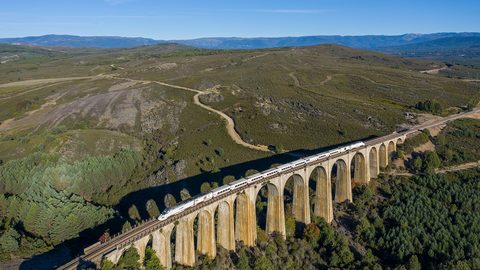
 Spain
Spain's AVE network is fast but leaves entire regions on older Iberian-gauge rails. Explore the conventional lines, from the FEVE coastal route to the Ronda railway, that the high-speed map ignores.
Spain
Spain's AVE network is fast but leaves entire regions on older Iberian-gauge rails. Explore the conventional lines, from the FEVE coastal route to the Ronda railway, that the high-speed map ignores.
-
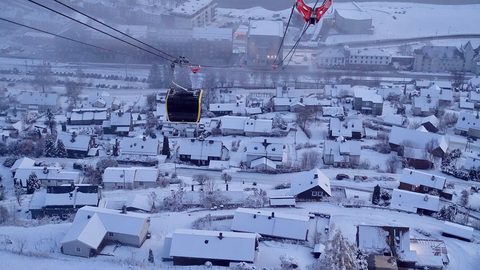
 Norway
 has four main rail corridors, not a sprawling network. Compare the Bergen, Dovre, Nordland, and Sørland lines to decide which one fits your limited time and scenic priorities.
Norway
Norway has four main rail corridors, not a sprawling network. Compare the Bergen, Dovre, Nordland, and Sørland lines to decide which one fits your limited time and scenic priorities.
-
 Austria
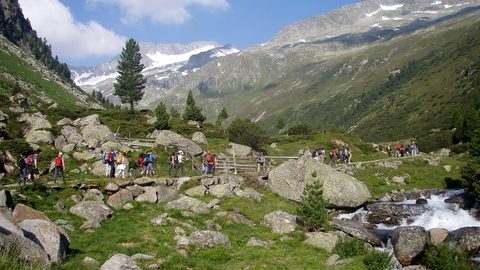
's railways unite Alpine pass routes with Europe's densest night train network. Understand how the Arlberg line and Wien Hauptbahnhof sleeper hub connect mountain valleys to distant capitals.
Austria
Austria's railways unite Alpine pass routes with Europe's densest night train network. Understand how the Arlberg line and Wien Hauptbahnhof sleeper hub connect mountain valleys to distant capitals.
-
 Portugal
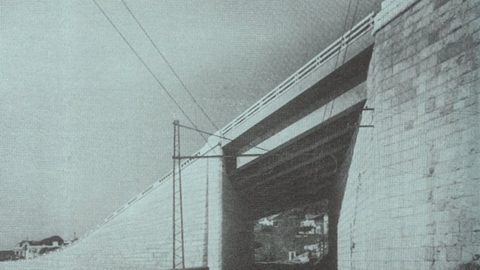
's rail network splits into three distinct experiences: the scenic Douro line, the coastal Algarve route, and the slow Alentejo interior. Choose the corridor that fits your travel temperament.
Portugal
Portugal's rail network splits into three distinct experiences: the scenic Douro line, the coastal Algarve route, and the slow Alentejo interior. Choose the corridor that fits your travel temperament.
-
 Italy
Italy's rail network is more than the Frecciarossa spine. Discover the regional branch lines that climb through the Apennines and hug the Sicilian coast, and why they are worth the slower pace.
Italy
Italy's rail network is more than the Frecciarossa spine. Discover the regional branch lines that climb through the Apennines and hug the Sicilian coast, and why they are worth the slower pace.
-
 European Train Delays Your Rights and How to Claim Compensation
European rail passenger rights guarantee compensation for delays over an hour but claiming it requires knowing each operator's process. The forms, deadlines, and the HOTNAT rule explained.
European Train Delays Your Rights and How to Claim Compensation
European rail passenger rights guarantee compensation for delays over an hour but claiming it requires knowing each operator's process. The forms, deadlines, and the HOTNAT rule explained.
-
 Luggage and Bikes on European Trains Rules and Realities
European trains rarely weigh your luggage but overhead racks are tiny and bike rules vary wildly by operator. What you can bring, where it goes, and what gets you fined.
Luggage and Bikes on European Trains Rules and Realities
European trains rarely weigh your luggage but overhead racks are tiny and bike rules vary wildly by operator. What you can bring, where it goes, and what gets you fined.
-
 Train or Plane in Europe The Door to Door Arithmetic
A 90-minute flight looks faster than a four-hour train until you add airport transfers, security, and baggage reclaim. The door-to-door arithmetic for key European city pairs.
Train or Plane in Europe The Door to Door Arithmetic
A 90-minute flight looks faster than a four-hour train until you add airport transfers, security, and baggage reclaim. The door-to-door arithmetic for key European city pairs.