The Best Places to Actually Purchase European Train Tickets
Third-party booking sites are easier but national railway operators sell cheaper tickets. A country-by-country guide to where you should actually buy European train tickets.
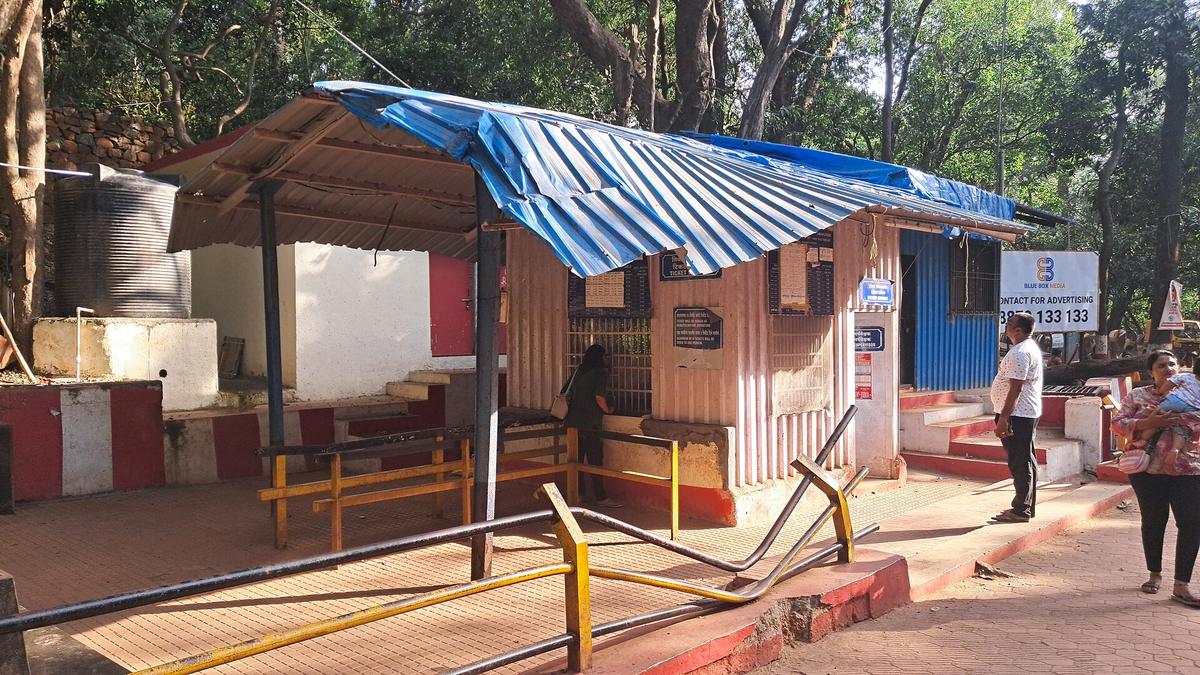

The Best Places to Actually Purchase European Train Tickets
You are staring at a search result that shows a Paris-to-Milan ticket for €29 through one site and €64 through another. The €64 site has an English button, accepts your Visa, and promises instant delivery. The €29 site is in French, rejected your card twice, and now wants a European billing address. This is the central friction of buying European train tickets: no single outlet sells everything at the lowest price, and the cheapest option is often the one that refuses your payment.
The short answer: book directly with each country's railway operator whenever your card works. Third-party platforms like Trainline, Omio, and Rail Europe add fees of €0 to €9 per transaction, and they do not always display the cheapest advance fare buckets. But direct purchase fails when a national site blocks foreign payment cards. That is when an aggregator becomes the correct tool rather than a lazy convenience.
Below, find which operator sites work in English, which cards they accept, and when the aggregator is the smarter call.
The Direct Booking Advantage: Cheaper Fares, No Fees
How Advance Fare Tiers Work
Every major European railway operates a tiered advance fare system. Book early and you ride for a fraction of the walk-up price. The catch: these lowest tiers are often invisible on third-party screens or are marked up to cover the aggregator's commission.
Germany: DB
DB's Super Sparpreis fare band runs €17.90 to €29.90 for routes inside Germany at 2025 pricing. The mid-tier Sparpreis runs €21.90 to €49.90. The full-flex Flexpreis is 2.0x to 3.5x the Super Sparpreis. Book at bahn.de. The site works in English. Most non-European Visa and Mastercard go through, but some US-issued Amex cards are rejected. If your card is declined, try PayPal. DB allows optional seat reservations for €4.50 to €5.90. High-speed trains require no reservation, but you will want one on popular routes like Berlin to Munich.
France: SNCF Connect
SNCF runs two high-speed products. Ouigo fares run €10 to €49 at 2025 pricing. TGV Inoui Prem's fares run €19 to €59. The full-flex Loisir fare is 2.5x to 4.0x the Prem's fare. Book at sncf-connect.com. The site works in English but foreign cards fail often, especially from outside the EU. American Express is rarely accepted. If your card is rejected, buy via the SNCF Connect app, which processes foreign payments more reliably. Reservations on all TGV and Ouigo trains are mandatory and included in the ticket price.
Italy: Trenitalia
Trenitalia's Super Economy fare band runs €9.90 to €29.90 for high-speed routes at 2025 pricing. Economy fares run €19.90 to €49.90. Base fare is 2.0x to 3.5x Super Economy. Book at trenitalia.com. The site works in English. Visa and Mastercard from non-European banks work. Amex does not. Seat reservations are mandatory and included in the fare.
Spain: Renfe
Renfe's Básico fare band runs €7 to €35 for AVE routes at 2025 pricing. Elige runs €15 to €55. Premium is 2.0x to 3.0x Básico. Book at renfe.com. The English interface exists but the site has historically rejected many non-European cards. If it blocks you, use the Renfe app or buy through a third party. Reservations are mandatory.
Austria: ÖBB
ÖBB's Sparschiene fare band runs €9.90 to €29.90 at 2025 pricing. Standard fare is 2.0x to 3.0x Sparschiene. Book at oebb.at. The site works in English. Foreign Visa and Mastercard work. Optional seat reservations cost €4.50 to €5.90.
Switzerland: SBB
SBB's Supersaver fare band runs CHF 12 to CHF 45 at 2025 pricing. The full fare is 1.5x to 2.5x the Supersaver. Book at sbb.ch. The site works in English, and foreign cards work. No reservation required on intercity trains.
Other Operators With English Interfaces
NS (Netherlands), SNCB (Belgium), SJ (Sweden), VR (Finland), CP (Portugal), PKP Intercity (Poland), ČD (Czech Republic), MÁV (Hungary), CFR (Romania), BDZ (Bulgaria), HŽ (Croatia), and ŽS (Serbia) all have English-accessible interfaces. Each has its own advance fare system and card acceptance quirks. A rule of thumb: try the operator site first. If your card fails after two attempts, switch to an aggregator.
When the Aggregator is the Better Option
Use a third-party site in three specific situations. First, when an operator site rejects your card after repeated attempts. Second, when you are booking a cross-border journey that involves two or more operators. Third, when you need a unified interface for a multi-country itinerary and the fee is the price of your time.
Trainline charges €0 to €3.49 per ticket at 2025 rates. Omio charges €0 to €5.99 per transaction. Rail Europe charges €0 to €8 per transaction. These fees are per transaction, not per passenger. For a single €29 ticket the fee stings. For a family purchase it is acceptable.
The hidden cost is not the fee. It is the fare tier you miss. Aggregators sometimes default to the mid or full-flex fare because those earn them higher commission. Compare the same train on both the aggregator and the operator site. If the operator site shows a Básico or Super Economy fare that the aggregator does not offer, book direct.
Cross-Border Tickets: The Two-Ticket Loophole
A Vienna-to-Budapest through-ticket often costs more than an ÖBB ticket to the border plus a MÁV ticket from the border. The same principle applies to Berlin to Warsaw: a DB ticket to the border plus a PKP ticket from the border can beat the through-fare by 10% to 40%. This practice, called split ticketing, is legal in Britain and Italy. Savings on routes inside Britain run 10% to 60%. On routes inside Italy they run 10% to 40%. Do not assume a single international ticket is the best price.
Refund and Exchange Rules
The cheapest advance fare from every major operator is non-refundable and not exchangeable. The mid-tier fare is partially refundable minus a fee of €5 to €19 and exchangeable with a fee of €5 to €15. The full-flex fare is fully refundable with no fee and allows unlimited free exchanges. If your plans are uncertain, buy the mid-tier fare or buy through an aggregator that charges a flat fee and offers its own exchange policy. Do not buy the cheapest fare for a trip you might cancel.
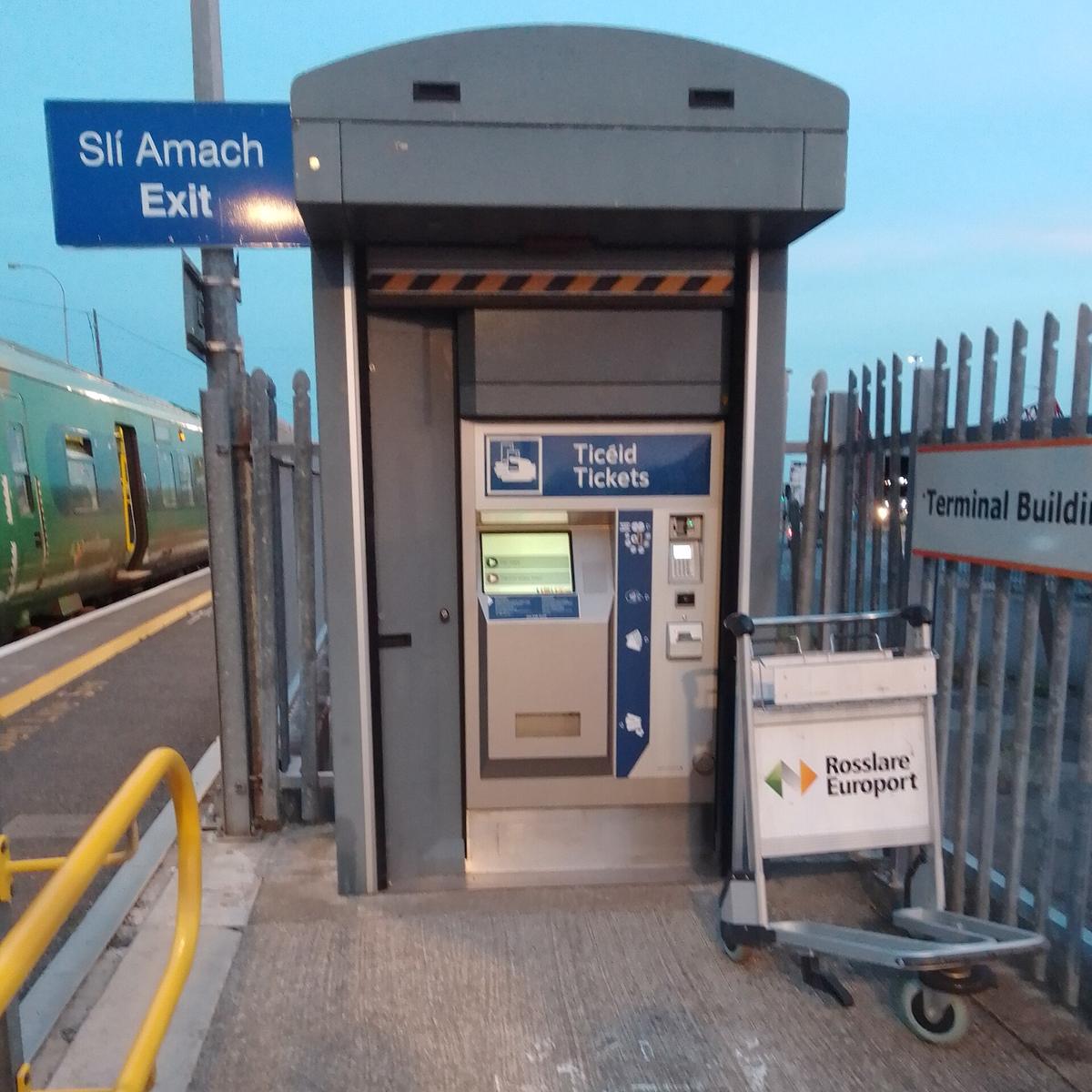
.jpg)
| Operator | Cheapest Fare Band (2025 Pricing) | Website Language | Foreign Card Reliability |
|---|---|---|---|
| DB (Germany) | Super Sparpreis: €17.90-€29.90 | English | Good |
| SNCF (France) | Ouigo: €10-€49 / Prem's: €19-€59 | English | Poor. Try app. |
| Trenitalia (Italy) | Super Economy: €9.90-€29.90 | English | Good |
| Renfe (Spain) | Básico: €7-€35 | English | Poor. Try app or aggregator. |
| ÖBB (Austria) | Sparschiene: €9.90-€29.90 | English | Good |
| SBB (Switzerland) | Supersaver: CHF 12-CHF 45 | English | Good |
| PKP (Poland) | Advance Promo: varies | English | Moderate |
| ČD (Czech Republic) | Advance: varies | English | Moderate |
What Goes Wrong Most Often
The single thing that trips up travellers is not the purchase itself. It is the validation step after purchase. On many European rail systems, a paper ticket bought online must be stamped or validated in a machine on the platform before boarding. An un-stamped ticket earns the same fine as no ticket at all, typically €50 to €100 on the spot. Digital tickets loaded into an operator app are automatically validated at the start of the journey. Avoid paper tickets unless you are certain you will find the validation machine. The failure case: you board a Deutsche Bahn train from Berlin with a valid Super Sparpreis that you printed at home, no conductor stamps it, and the inspector fines you €60. Do not let that be your first lesson.
Read next
-
 Belgium
's rail network is compact but its ticket rules catch visitors out. Here's how SNCB fares, station choices and weekend deals actually work.
Belgium
Belgium's rail network is compact but its ticket rules catch visitors out. Here's how SNCB fares, station choices and weekend deals actually work.
-
 Spain
Spain's AVE network is fast but leaves entire regions on older Iberian-gauge rails. Explore the conventional lines, from the FEVE coastal route to the Ronda railway, that the high-speed map ignores.
Spain
Spain's AVE network is fast but leaves entire regions on older Iberian-gauge rails. Explore the conventional lines, from the FEVE coastal route to the Ronda railway, that the high-speed map ignores.
-
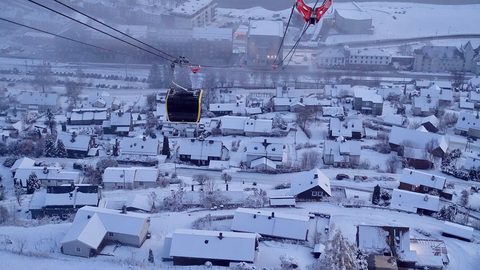
 Norway
 has four main rail corridors, not a sprawling network. Compare the Bergen, Dovre, Nordland, and Sørland lines to decide which one fits your limited time and scenic priorities.
Norway
Norway has four main rail corridors, not a sprawling network. Compare the Bergen, Dovre, Nordland, and Sørland lines to decide which one fits your limited time and scenic priorities.
-
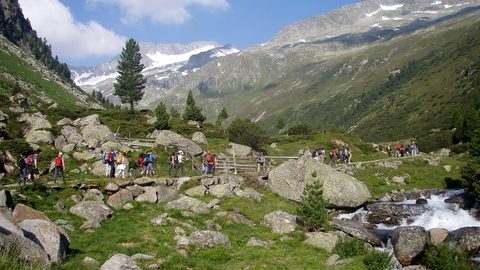
 Austria
's railways unite Alpine pass routes with Europe's densest night train network. Understand how the Arlberg line and Wien Hauptbahnhof sleeper hub connect mountain valleys to distant capitals.
Austria
Austria's railways unite Alpine pass routes with Europe's densest night train network. Understand how the Arlberg line and Wien Hauptbahnhof sleeper hub connect mountain valleys to distant capitals.
-
 Portugal
's rail network splits into three distinct experiences: the scenic Douro line, the coastal Algarve route, and the slow Alentejo interior. Choose the corridor that fits your travel temperament.
Portugal
Portugal's rail network splits into three distinct experiences: the scenic Douro line, the coastal Algarve route, and the slow Alentejo interior. Choose the corridor that fits your travel temperament.
-
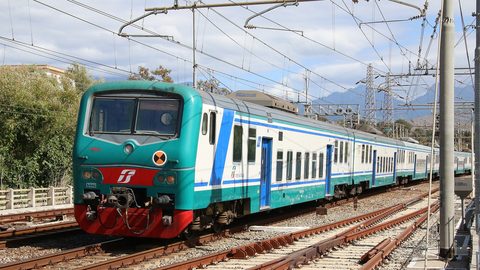
 Italy
Italy's rail network is more than the Frecciarossa spine. Discover the regional branch lines that climb through the Apennines and hug the Sicilian coast, and why they are worth the slower pace.
Italy
Italy's rail network is more than the Frecciarossa spine. Discover the regional branch lines that climb through the Apennines and hug the Sicilian coast, and why they are worth the slower pace.
-
 European Train Delays Your Rights and How to Claim Compensation
European rail passenger rights guarantee compensation for delays over an hour but claiming it requires knowing each operator's process. The forms, deadlines, and the HOTNAT rule explained.
European Train Delays Your Rights and How to Claim Compensation
European rail passenger rights guarantee compensation for delays over an hour but claiming it requires knowing each operator's process. The forms, deadlines, and the HOTNAT rule explained.
-
 Luggage and Bikes on European Trains Rules and Realities
European trains rarely weigh your luggage but overhead racks are tiny and bike rules vary wildly by operator. What you can bring, where it goes, and what gets you fined.
Luggage and Bikes on European Trains Rules and Realities
European trains rarely weigh your luggage but overhead racks are tiny and bike rules vary wildly by operator. What you can bring, where it goes, and what gets you fined.
-
 Train or Plane in Europe The Door to Door Arithmetic
A 90-minute flight looks faster than a four-hour train until you add airport transfers, security, and baggage reclaim. The door-to-door arithmetic for key European city pairs.
Train or Plane in Europe The Door to Door Arithmetic
A 90-minute flight looks faster than a four-hour train until you add airport transfers, security, and baggage reclaim. The door-to-door arithmetic for key European city pairs.